France 2026: Higher Museum Fees and a Push for Quieter, Greener Travel
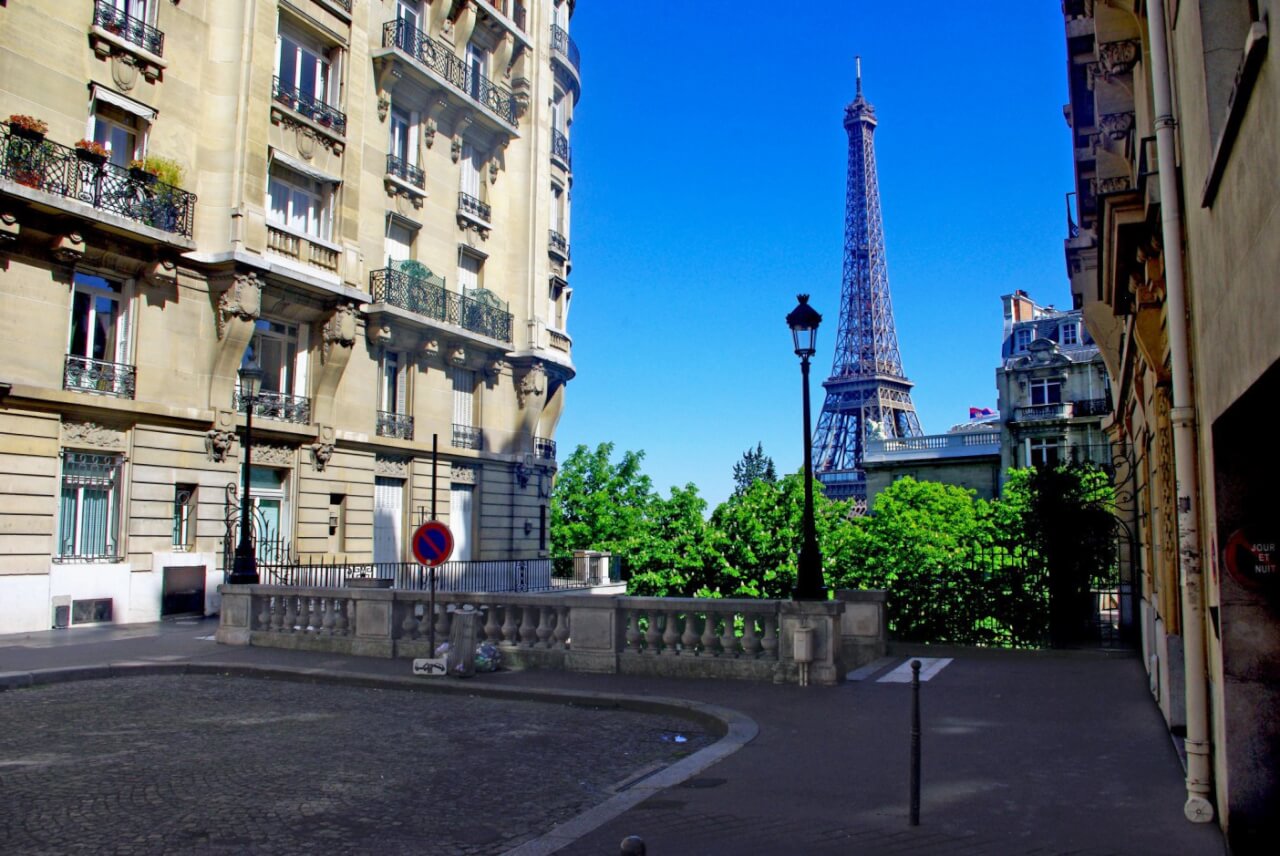
France remains the most visited country on earth, and 2026 brings a couple of changes worth knowing before you pack your bags. The headline one concerns ticket prices at some of the country's most famous landmarks. From 2026, several major sites have introduced higher entry fees for visitors from outside the European Union — the Louvre, Sainte-Chapelle, the Palace of Versailles and the Château de Chambord among them.
If you are an EU resident, prices at these sites are unchanged. If you are travelling from the UK, the US or further afield, expect to pay noticeably more than in previous years at the marquee attractions. The reasoning given is that the extra revenue helps maintain these heavily visited monuments and manage the crowds that come with their fame.
The smart response is not to skip the icons but to plan around them. Booking timed tickets online well in advance almost always works out cheaper and calmer than buying on the day. Early-morning and late-afternoon slots are quieter. And many of France's most rewarding experiences — village markets, regional museums, coastal walks — carry small fees or none at all.
That ties into the second trend. France's national tourism strategy is actively steering visitors towards lesser-known territories: cycling routes through the countryside, rural guesthouses, eco-certified accommodation and second-tier cities that now have better rail connections. Places like Lille, Nantes, Strasbourg and Montpellier offer rich food, history and architecture with a fraction of the Paris crush.
Summer 2026 is also expected to be busy, with strong demand from travellers staying closer to home within Europe. Booking flexible transport and accommodation, and travelling midweek where possible, will make a real difference to both your budget and your stress levels.
Good to know. Practical tip: book timed-entry tickets to major Paris landmarks weeks ahead to lock in the calmest slots, and build in at least one or two days in a smaller French city or region — you will spend less and often enjoy it more.