Spain Tourism in 2026: Eclipse, Record Numbers, and Travel Tips
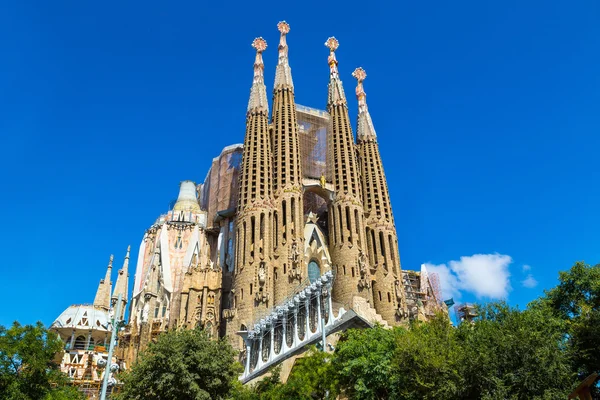
Spain is on track to welcome nearly 100 million international visitors in 2026, following a record-breaking May that saw a surge in arrivals. According to recent reports, the country attracted over 8.5 million tourists in May alone, a historic high driven by global travelers seeking stable, sun-drenched destinations amid worldwide uncertainty. This momentum positions Spain to surpass its own tourism records, with the Ministry of Tourism projecting an unprecedented year-end total. For travelers, this means vibrant cities, packed beaches, and a thriving cultural scene, but also a need to plan ahead for accommodation and popular attractions as demand soars across the Iberian Peninsula.
A celestial event is adding extra allure to Spain’s 2026 calendar: a total solar eclipse will sweep across the country on August 12, casting a shadow over the so-called 'Emptied Spain'—the sparsely populated rural regions of Castile and León, Extremadura, and Aragon. The New York Times highlights how this eclipse is poised to lift these forgotten areas out of obscurity, drawing astronomers, photographers, and curious tourists to remote villages and plains. Local communities are preparing with viewing platforms, festivals, and guided tours, offering a rare chance to experience both a natural wonder and the authentic, slow-paced life of Spain’s interior. This event promises to redistribute tourism beyond the coasts, benefiting local economies and revealing hidden gems.
The surge in tourism is not just about numbers; it reflects a shift in traveler behavior. Euronews reports that global uncertainty—from geopolitical tensions to economic fluctuations—is pushing tourists toward perceived safe havens like Spain, which offers political stability, excellent infrastructure, and diverse experiences. In 2026, this trend is expected to continue, with visitors spending more on unique, off-the-beaten-path adventures. The eclipse exemplifies this: rather than just sunbathing in Mallorca, travelers are booking stays in historic paradores in Soria or hiking the Camino de Santiago through less-trodden routes. For the savvy tourist, this is an opportunity to explore Spain’s rich tapestry beyond the usual hotspots, from medieval castles to olive groves under a darkened sky.
However, the record influx comes with challenges. Popular destinations like Barcelona, Madrid, and the Costa del Sol may experience overcrowding, especially during peak seasons and the eclipse week. To mitigate this, Spain’s tourism board is promoting lesser-known regions and sustainable travel practices. The government has also invested in high-speed rail connections to rural areas, making it easier to reach eclipse-viewing spots without a car. For tourists, flexibility is key: consider visiting in shoulder months like May or September, or base yourself in smaller cities like León or Cáceres. Booking flights and hotels early—ideally six to eight months ahead—will secure better rates and availability, especially for eclipse-related travel in August 2026.
Practical tip: For the August 12 eclipse, book accommodations in the path of totality—towns like Ávila or Trujillo—at least eight months in advance. Bring certified solar glasses and a camera with a solar filter, and arrive a day early to avoid last-minute traffic jams on rural roads.