Spain 2026: New Travel Rules and Record Tourism Boom
Spain has cemented its place among Europe's most talked-about tourism destinations, joining France, Italy, Germany, the United Kingdom, and Greece in facing both unprecedented popularity and mixed visitor experience challenges. According to recent reports, Spain's visitor numbers have hit new highs as travelers increasingly avoid the Middle East, seeking sun-soaked beaches, vibrant cities, and rich cultural heritage instead. This surge in tourism brings both economic benefits and growing pains, with popular spots like Barcelona, Madrid, and the Balearic Islands experiencing overcrowding during peak seasons. Yet for savvy travelers, 2026 offers a golden opportunity to explore Spain's lesser-known gems—from the green hills of Galicia to the whitewashed villages of Andalusia—while the country invests in sustainable tourism infrastructure to handle the influx.
The big news for anyone planning a Spanish getaway in 2026 is the introduction of a new tourist fund requirement, recently reported by Travel and Leisure Asia. All international visitors will need to contribute a small fee—likely around €1-2 per night—to a dedicated fund aimed at preserving cultural heritage sites, improving waste management, and supporting local communities affected by overtourism. This initiative mirrors similar programs in Venice and the Balearic Islands, and while it adds a minor cost to your trip, it ensures that Spain's treasures remain pristine for generations to come. The fee will be collected by hotels, hostels, and vacation rentals, so you won't need to worry about complicated paperwork—just a small line item on your accommodation bill.
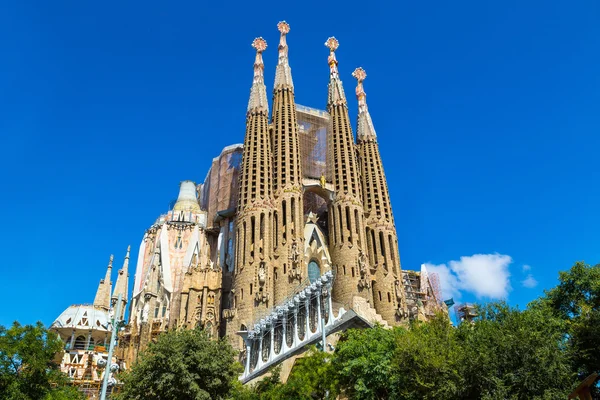
Beyond the new fund, Spain's tourism landscape in 2026 is defined by record-breaking numbers. The BBC reports that visitor arrivals have surged, partly due to geopolitical tensions in the Middle East redirecting travelers toward Europe. Spain's appeal remains timeless: world-class museums like the Prado, flamenco shows in Seville, pintxos bars in San Sebastián, and the surreal architecture of Antoni Gaudí in Barcelona. However, with great popularity comes the need for smart planning. To avoid crowds, consider traveling during shoulder seasons (April-May or September-October), booking popular attractions in advance, and venturing beyond the usual hotspots. Cities like Valencia, Bilbao, and Granada offer equally enchanting experiences with fewer tourists and more authentic local vibes.
For those concerned about the mixed visitor experience challenges mentioned in global travel rankings, rest assured that Spain is actively addressing them. Regional governments are implementing crowd-management systems, promoting off-the-beaten-path destinations, and improving public transport links to spread tourists more evenly. The new fund will also support training for hospitality workers and enhance digital tools for real-time visitor information. Meanwhile, Spain's legendary hospitality—from tapas bar owners to hotel concierges—remains as warm as ever. Travelers who embrace a slower pace, try local markets instead of tourist traps, and learn a few Spanish phrases will find themselves rewarded with memories that go far beyond the typical postcard snapshot.
Practical tip: To make the most of your 2026 trip, book accommodations early—especially in popular coastal areas—and check if your hotel includes the new tourist fund fee in its rates. Carry a reusable water bottle and shopping bag to minimize waste, and always confirm opening hours for museums and restaurants, as many still observe siesta closures in smaller towns. With a little preparation, Spain promises an unforgettable adventure.