Spain 2026 Travel Guide: Navigating Overtourism and the Tourism Boom
Spain is poised for an extraordinary 2026, with projections of 97 million international visitors shattering all previous records. This surge is fueled by travelers redirecting from the Middle East, as flight and hotel bookings to Spain and Portugal jump significantly. The allure of sun-drenched beaches, vibrant cities like Barcelona and Madrid, and world-class cuisine remains irresistible. However, this boom brings challenges, particularly for iconic destinations like Mallorca, which is grappling with overtourism. For the savvy traveler, understanding these dynamics is key to unlocking a memorable and stress-free Spanish adventure. The key is not to avoid Spain but to travel smarter, embracing lesser-known gems and timing your visits to avoid the peak crowds.
Mallorca, the crown jewel of the Balearic Islands, is at the epicenter of the overtourism crisis. In 2026, the island expects record numbers, leading to crowded beaches, strained infrastructure, and local protests. Yet, Mallorca’s beauty is undeniable—from the Tramuntana mountains to hidden coves like Cala Varques. To experience it without the crush, consider visiting in the shoulder seasons of April-May or September-October, when the weather is still glorious but the crowds thin. Alternatively, explore the less-visited northern coast or the interior villages like Fornalutx and Valldemossa, where traditional life thrives away from the tourist hubs. These strategies transform a potential hassle into a rich, authentic experience.
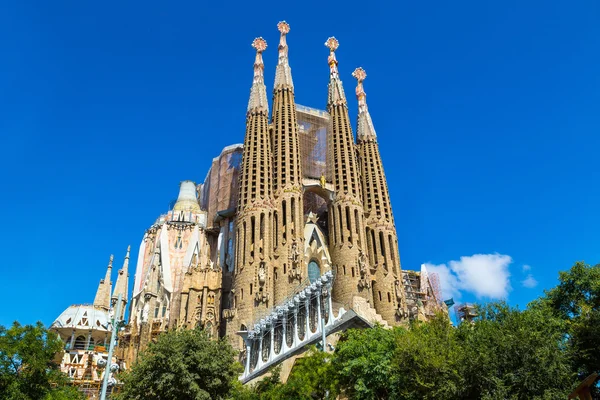
The nationwide tourism surge means that popular attractions—the Alhambra, Sagrada Familia, and Prado Museum—require advance planning. Book tickets online weeks or even months ahead, and consider early morning or late afternoon slots to avoid queues. For accommodation, look beyond the city centers; neighborhoods like Madrid’s Lavapiés or Barcelona’s Gràcia offer local charm and lower prices. The jump in bookings from Middle East travelers has also increased demand for luxury hotels, so mid-range and boutique options are excellent alternatives. Spain’s high-speed rail network (AVE) is a game-changer, allowing you to base yourself in smaller cities like Seville or Valencia and day-trip to hotspots, reducing your carbon footprint and spreading tourism benefits.
Spain’s diverse regions offer escapes from the crowds. Andalusia’s white villages (pueblos blancos) like Ronda and Grazalema provide stunning scenery without the masses. The Basque Country’s San Sebastián and Bilbao balance culture and coast with fewer tourists than Barcelona. Portugal, often paired with Spain in itineraries, sees similar booking increases, making cross-border trips via the Lisbon-Madrid high-speed line a smart move. For nature lovers, the Picos de Europa National Park or the Canary Islands (especially La Gomera and El Hierro) offer solitude. Embracing regional cuisine in local markets—like Mercado de la Boqueria at off-peak hours or Seville’s Triana market—adds authenticity and supports local economies.
Practical tip: To beat crowds in 2026, always book major attractions and trains at least two weeks in advance, use Spain’s free walking tours for expert local insights, and carry a reusable water bottle to stay hydrated at public fountains. These small steps ensure a smooth, enriching journey through Spain’s vibrant tapestry.