Spain 2026 Travel Guide: New Rules, Safety & Record Tourism
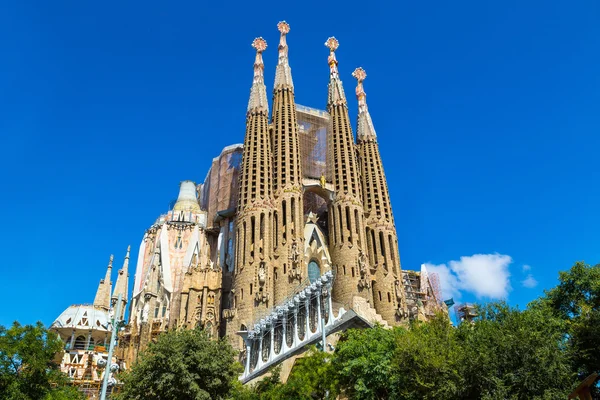
Spain continues to shine as one of the world’s most beloved travel destinations, and 2026 promises even more reasons to visit. Recent reports show visitor numbers hitting new highs, with travelers choosing Spain over Middle Eastern destinations for its rich culture, stunning beaches, and reliable infrastructure. The surge in tourism reflects Spain’s enduring appeal—from the sun-drenched Canary Islands to the historic streets of Barcelona. Whether you’re a first-time visitor or a seasoned explorer, Spain offers a seamless blend of tradition and modernity, with improved services and safety measures that make every journey memorable. This year, the country is rolling out exciting updates that every tourist should know to plan their perfect trip.
One of the biggest changes arriving in 2026 is Spain’s new tourist fund requirement. Every visitor, regardless of nationality, will need to contribute a small fee upon entry, designed to support sustainable tourism projects, preserve cultural heritage, and maintain public spaces. The fund is expected to be modest—likely under €10 per person—and can be paid online or at the border. This initiative mirrors similar programs in other European destinations, ensuring that tourism growth benefits local communities and the environment. Travelers should check the official Spanish tourism website for payment details before departure to avoid delays. The move underscores Spain’s commitment to responsible travel, making your visit even more meaningful.
Safety remains a top priority for Spain, and recent advisories highlight the country’s low crime levels, especially in popular spots like Lanzarote. The island boasts a strong tourism infrastructure with well-lit streets, reliable public transport, and a visible police presence. However, travelers should be mindful of beach risks, such as strong currents and jellyfish, which are monitored by lifeguards. Road conditions in Lanzarote are generally excellent, but rental car users should watch for narrow coastal roads and sudden weather changes. Official government advisories recommend staying informed through local news and hotel staff. Overall, Spain offers a secure environment for tourists, with common-sense precautions ensuring a worry-free holiday.
The record-breaking influx of visitors has led to enhanced services across the country. Airports are expanding, high-speed trains are adding routes, and hotels are upgrading amenities to accommodate the growing demand. Cities like Madrid, Seville, and Valencia are introducing new cultural festivals and gastronomic events to spread tourism beyond peak seasons. Even lesser-known gems, such as the Picos de Europa or the Alpujarras, are gaining attention for their authentic experiences. The tourism boom also means more dining options, guided tours, and activities tailored to diverse interests. While crowds can be expected in iconic sites, early bookings and flexible itineraries help you avoid the rush and enjoy Spain’s magic at your own pace.
Practical tip: To make the most of your 2026 Spain trip, book accommodations and entry tickets to major attractions at least three months in advance, especially in popular cities like Barcelona and Seville. Also, sign up for the new tourist fund payment online before you travel to save time at the border and ensure a smooth arrival.