Spain 2026 Travel Guide: New Rules and Record Tourism
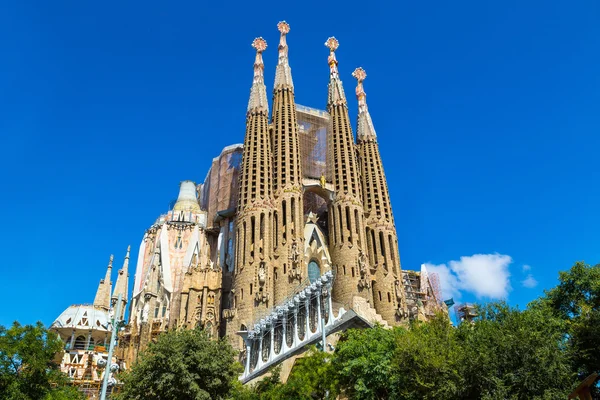
Spain is on the verge of a historic milestone, with tourism numbers soaring toward one hundred million annual visitors after a record-breaking May. According to recent reports, the country welcomed an unprecedented influx of travelers, driven by its sun-drenched coasts, vibrant cities, and rich cultural heritage. This surge underscores Spain’s enduring appeal as a top global destination, from the bustling streets of Barcelona and Madrid to the serene beaches of the Costa del Sol. For travelers, this means more energy and excitement, but also a need to plan ahead, especially during peak seasons. The momentum is expected to continue into 2026, making Spain a must-visit for anyone seeking unforgettable experiences.
In a fascinating turn of events, an upcoming solar eclipse is set to shine a spotlight on Spain’s depopulated rural areas, often referred to as ‘Emptied Spain.’ Regions like Extremadura, Castile and León, and parts of Aragon will experience a rare total eclipse in 2026, drawing astronomy enthusiasts and curious travelers to their quiet villages and vast landscapes. This celestial event offers a unique opportunity to explore Spain beyond its famous tourist hubs, discovering authentic traditions, local cuisine, and untouched natural beauty. It’s a chance to witness how ancient skies can breathe new life into forgotten corners of the country, creating a memorable journey for those who venture off the beaten path.
Starting in 2026, visitors to Spain will need to be aware of a new tourist fund requirement, as announced by Travel and Leisure Asia. The initiative aims to support sustainable tourism infrastructure and preserve cultural and natural sites under pressure from overtourism. While details are still emerging, travelers should anticipate a small fee or deposit upon arrival, similar to systems already in place in other European destinations. This fund is designed to ensure that Spain remains a welcoming, well-maintained haven for generations to come. For tourists, it’s a small price to pay for the privilege of exploring one of the world’s most beloved countries, and it reflects Spain’s commitment to responsible travel.
Despite these changes, Spain’s allure remains stronger than ever, with its diverse offerings catering to every type of traveler. Whether you’re drawn to the architectural wonders of Antoni Gaudí, the flamenco rhythms of Seville, or the culinary delights of San Sebastián, the country promises warmth and vibrancy. The 2026 eclipse adds a cosmic twist to your itinerary, while the new fund underscores a forward-thinking approach to tourism. Plan your trip around shoulder seasons like spring or autumn to enjoy milder weather and fewer crowds. With careful preparation, you can savor Spain’s magic while contributing to its preservation—a win-win for both visitors and the destination.
Practical tip: For the 2026 solar eclipse, book accommodation in rural ‘Emptied Spain’ regions like Extremadura or Castile and León at least six months in advance, as these areas will see a surge in visitors. Also, check Spain’s official tourism website for updates on the new tourist fund requirement to ensure a smooth arrival.