Spain 2026 Travel Guide: New Rules & Smart Tips for Mallorca
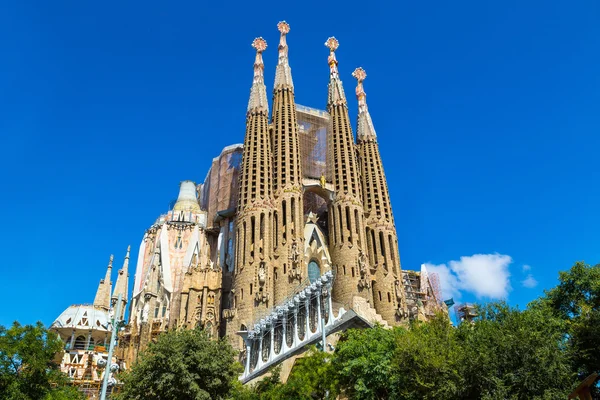
Spain is welcoming more visitors than ever in 2026, with record-breaking numbers arriving from around the globe. According to recent reports, traveler interest in Mediterranean destinations has surged as tourists increasingly avoid the Middle East due to ongoing regional uncertainties. This shift has propelled Spain to the top of many bucket lists, with its sun-drenched coasts, vibrant cities, and rich cultural heritage drawing millions. The Balearic Islands, especially Mallorca, are experiencing unprecedented crowds, prompting both excitement and concern. For travelers, this means more energy and buzz, but also a need for careful planning to navigate peak seasons and popular spots without feeling overwhelmed.
Mallorca, long a favorite for its turquoise coves and mountain villages, is at the heart of Spain’s overtourism conversation in 2026. Recent news highlights that the island is implementing new measures to manage visitor flows, including stricter limits on rental accommodations and timed entry to natural parks. While this might sound daunting, it’s actually a positive step toward preserving the island’s beauty for future generations. Tourists can still enjoy Mallorca’s charm by exploring lesser-known towns like Pollença or Deià, hiking the Tramuntana range, or visiting during shoulder seasons in spring and fall. The key is to embrace sustainable travel habits and respect local communities.
A major change for 2026 is Spain’s new tourist fund requirement, which all visitors must be aware of before arrival. As reported by Travel and Leisure Asia, travelers will need to contribute a small fee—typically around €2–€5 per person per night—to a fund supporting sustainable tourism infrastructure and environmental projects. This applies to hotels, vacation rentals, and even cruise passengers in some regions. The payment is straightforward: you’ll receive a voucher upon check-in or via an online portal, and funds go directly toward beach cleanups, trail maintenance, and cultural preservation. Think of it as a tiny investment in the Spain you’ll love—keeping it pristine for your next visit.
Despite the crowds and new fees, Spain remains an incredibly rewarding destination in 2026. The BBC reports that visitor numbers have hit all-time highs, yet the country’s diverse regions offer plenty of breathing room if you venture off the beaten path. Consider swapping Barcelona for Valencia’s futuristic City of Arts and Sciences, or trade the Costa del Sol for the rugged coastline of Asturias. Train travel is excellent, with high-speed AVE connections making day trips easy. Local food markets, flamenco shows, and siesta-hour strolls are as enchanting as ever. With a little foresight, your Spanish adventure can be both memorable and respectful of the places you visit.
Practical tip: Book accommodations and major attractions at least two months ahead for Mallorca in summer 2026, and always carry a digital or printed copy of your tourist fund voucher to avoid check-in delays. For a quieter experience, visit inland villages like Valldemossa or take a ferry to nearby Menorca—just as beautiful but far less crowded.