Spain 2026: Solar Eclipse, New Rules & Travel Tips for Tourists
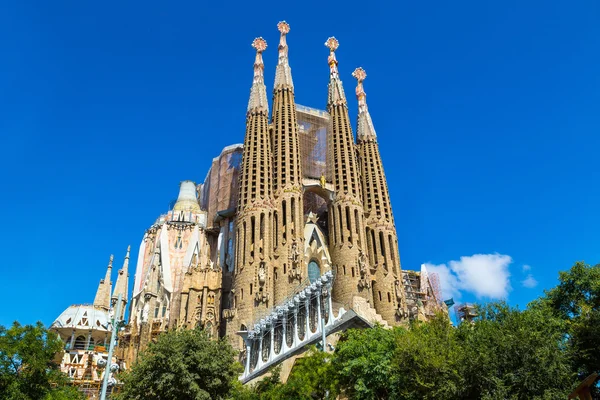
Spain is set to become an even more magnetic destination in 2026, with a rare celestial event promising to transform its quieter regions into must-visit spots. According to recent reports, a total solar eclipse will sweep across the Iberian Peninsula, casting a shadow that will momentarily lift the spotlight onto what’s often called 'Emptied Spain'—the depopulated rural heartlands. For travelers, this means a chance to experience a natural wonder in areas like Extremadura, Castile and León, and Aragon, where clear skies and low light pollution offer prime viewing conditions. The event is expected to draw astronomy enthusiasts and curious tourists alike, breathing new life into local communities and encouraging sustainable exploration beyond the crowded coasts. Plan ahead to secure accommodation in these lesser-known gems, as demand will spike rapidly.
Alongside the eclipse excitement, Spain is rolling out stricter regulations to manage the surge in tourism and preserve the quality of life for residents. New government rules will target visitor behavior in popular hotspots such as Barcelona, Ibiza, and major holiday resorts across the Balearic and Canary Islands. Expect tighter controls on noise levels, restrictions on party boats, and limits on short-term rental licenses in overburdened neighborhoods. These measures aim to curb overtourism while enhancing the experience for those who travel responsibly. For tourists, this means a more orderly, respectful atmosphere—less rowdy behavior and more authentic interactions. Authorities are also increasing fines for public misconduct, so familiarize yourself with local norms to avoid penalties and enjoy a smoother trip.
Financial planning for your 2026 Spanish adventure just got a bit more detailed. Starting next year, Spain will introduce a new tourist fund requirement, as reported by Travel and Leisure Asia. This means visitors from non-EU countries may need to demonstrate sufficient funds for their stay—potentially up to €100 per person per day—upon entry. While the exact threshold is still being finalized, the goal is to ensure travelers can cover unexpected costs and reduce overstays. This isn’t a visa, but a proof-of-resources check at border control. Keep digital or printed bank statements handy, and confirm your travel insurance covers medical emergencies. The policy aligns with broader EU efforts to streamline border management, so stay updated via official Spanish tourism websites before you pack.
Despite these new rules, the essence of Spain remains as vibrant and welcoming as ever. The 2026 eclipse offers a unique lens through which to explore the country’s diverse landscapes—from the sun-drenched olive groves of Andalusia to the rugged peaks of the Pyrenees. Meanwhile, the crackdown on overtourism is a positive step toward preserving the charm of places like the Alhambra or the beaches of Costa Brava. Travelers who embrace these changes will find deeper connections with local culture, whether savoring pintxos in San Sebastián or hiking the Camino de Santiago. The key is to book early, especially for eclipse-centric itineraries, and to travel mindfully. Spain’s infrastructure is excellent, but off-the-beaten-path destinations require extra planning for transport and accommodation.
Practical tip: For the 2026 solar eclipse, book your stay in rural Spain at least 12 months in advance, and bring certified eclipse glasses—viewing spots in Extremadura and Aragon offer the clearest skies. Also, carry proof of funds (€100/day) and a copy of your travel insurance policy to breeze through border checks.