Spain 2026 Travel Guide: Eclipse, Fees & New Rules
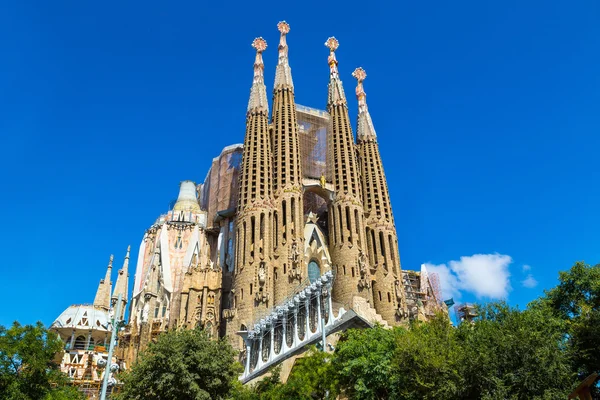
Spain is gearing up for an unforgettable 2026, with a rare solar eclipse poised to cast a spotlight on its often-overlooked 'emptied' rural regions. On August 12, 2026, a total solar eclipse will sweep across northern Spain, turning towns like León, Burgos, and Zaragoza into prime viewing spots. This celestial event is more than a spectacle—it’s an opportunity to explore Spain’s quieter, sun-drenched landscapes, from the rolling vineyards of Castile and León to the rugged peaks of the Picos de Europa. Travelers who venture beyond the crowded coasts will find authentic villages, warm hospitality, and a chance to witness the sky go dark in the heart of the countryside. Book early, as accommodations in the path of totality are expected to fill fast.
Alongside the eclipse, Spain is introducing a new tourist fund requirement in 2026 that will affect all international visitors. Under this regulation, travelers will need to pay a small fee—likely between €1 and €3 per night—to support sustainable tourism initiatives, including environmental conservation and infrastructure upgrades in popular destinations like Barcelona, Madrid, and the Balearic Islands. The fee will be collected by hotels, hostels, and vacation rentals at check-in, and it’s designed to offset the impact of mass tourism while preserving Spain’s cultural and natural treasures. While it adds a modest cost to your stay, think of it as a contribution to keeping Spain beautiful for generations to come. Always check the latest official guidelines before your trip.
Short-term rental regulations are also tightening in 2026, with new rules reshaping the market for apartments in cities like Seville, Valencia, and San Sebastián. Local governments are cracking down on unlicensed rentals to curb rising housing costs for residents, which could lead to fewer available listings and potentially higher prices for tourists. However, this shift encourages a more authentic travel experience: licensed rentals are safer, better maintained, and often located in neighborhoods that truly reflect local life. To avoid surprises, book through reputable platforms that verify licenses, and consider staying in family-run guesthouses or rural lodgings, which are gaining popularity as alternatives. The result? A more responsible, high-quality stay that supports local communities.
Despite these changes, 2026 promises to be a stellar year for Spain, blending natural wonders with thoughtful tourism evolution. The eclipse alone is expected to draw thousands of visitors to regions that have long been overlooked, offering a chance to discover Spain’s rich heritage beyond the typical tourist trail. Meanwhile, the new fund and rental rules aim to create a more sustainable balance—protecting Spain’s iconic sights while enhancing your travel experience. Whether you’re chasing the eclipse in a sleepy village, savoring tapas in a bustling plaza, or hiking in the Pyrenees, you’ll find a country that’s adapting with care. Plan ahead, stay flexible, and embrace the changes as part of the adventure.
Practical tip: For the 2026 eclipse, reserve accommodation in the path of totality (e.g., León or Zaragoza) at least six months in advance, and bring certified eclipse glasses. For the tourist fund, keep small euros handy for daily fees, and always confirm rental licenses via official local registries to avoid scams.