Spain 2026: New Tourism Shift and MENA Traveler Focus
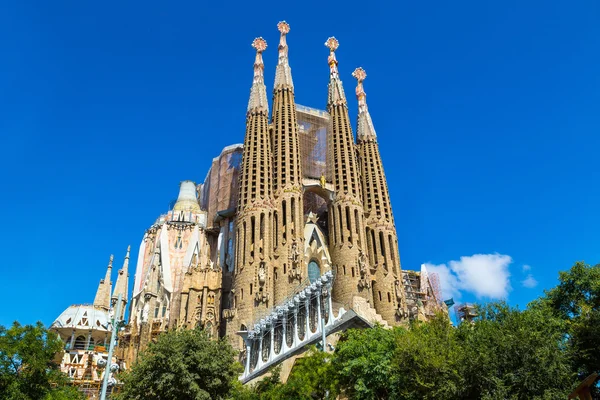
Spain is redefining its approach to tourism as we approach 2026, moving from a traditional travel industry model to a holistic visitor economy. This strategic shift, highlighted in recent reports from Barcelona and beyond, focuses on creating sustainable value for both travelers and local communities. The transformation emphasizes quality over quantity, encouraging longer stays, deeper cultural immersion, and greater spending across local businesses. Barcelona, a perennial favorite, is leading this change by promoting off-peak travel and lesser-known neighborhoods. For tourists, this means more authentic encounters with Spanish traditions, from flamenco in Seville to pintxos in San Sebastián, while supporting the preservation of heritage sites and local livelihoods. The move signals a more thoughtful, enriching travel experience across Spain's diverse regions.
Central to Spain's 2026 vision is a groundbreaking partnership between Wego, the leading travel marketplace in the Middle East and North Africa, and Turespaña, Spain's national tourism board. This collaboration specifically targets travelers from MENA countries, aiming to inspire them to discover Spain's unique blend of history, culture, and modern allure. Through tailored marketing campaigns, curated travel guides, and special offers, the initiative seeks to position Spain as a top destination for families, couples, and solo adventurers from the region. Highlights include showcasing Spain's Islamic heritage in cities like Granada and Córdoba, as well as its vibrant festivals, world-class cuisine, and Mediterranean beaches. The partnership reflects Spain's commitment to diversifying its visitor demographics and deepening connections with emerging markets.
For MENA travelers, Spain offers an especially appealing mix of familiarity and novelty. The country's rich Moorish legacy is visible in architectural marvels like the Alhambra Palace and the Mezquita of Córdoba, while the warm climate and hospitality resonate with cultural preferences. Spanish cuisine shares ingredients and cooking techniques with Middle Eastern traditions, such as the use of almonds, saffron, and rice, making dining a bridge between worlds. Beyond cultural connections, Spain provides modern amenities, excellent infrastructure, and visa-friendly policies. Cities like Madrid and Barcelona are hubs for shopping and nightlife, while regions like Andalusia and Valencia offer serene landscapes and coastal retreats. This targeted outreach is expected to boost travel from the MENA region significantly by 2026, with direct flights and tailored packages making trips easier than ever.
The shift toward a visitor economy also means a more responsible travel ethos across Spain. Local governments and tourism boards are investing in sustainable infrastructure, such as eco-friendly accommodations, improved public transport, and digital tools to manage crowd flow at popular attractions. Travelers will notice fewer tourist traps and more opportunities to engage with local artisans, farmers, and guides. Initiatives like 'slow travel' routes in Catalonia and agritourism in La Rioja encourage visitors to linger and connect with the land. For those seeking adventure, Spain’s national parks and coastal paths are being upgraded with better signage and facilities. This focus on quality ensures that tourists enjoy genuine experiences while contributing to the preservation of Spain’s natural and cultural treasures for future generations.
Practical tip: Book your 2026 trip early, especially for popular destinations like Barcelona and Seville, as the shift to a visitor economy may limit daily visitor numbers at key sites. Consider exploring lesser-known gems like Girona or Ronda for a more relaxed, authentic experience.