Spain 2026: New Tourism Shift and MENA Traveler Boom
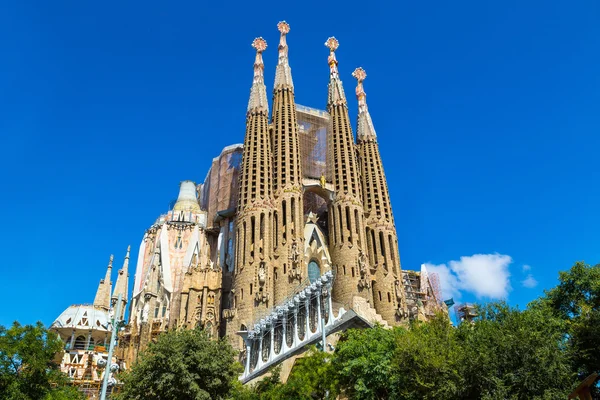
Spain is redefining its tourism landscape in 2026, moving beyond the traditional travel industry model toward a holistic "visitor economy." This shift, highlighted in recent discussions from Barcelona to the broader region, focuses on sustainable growth, cultural immersion, and long-term value rather than sheer visitor numbers. Barcelona, a city long grappling with overtourism, is leading this transformation by promoting off-season travel, supporting local businesses, and investing in infrastructure that enhances the experience for both residents and tourists. The goal is to create a balanced ecosystem where travelers contribute meaningfully to local communities while enjoying authentic Catalonian culture, from its modernist architecture to its vibrant food markets. This new approach promises a more enriching journey for those who visit, with less crowding and more genuine connections.
The Spanish Tourist Office, Turespaña, has announced an exciting partnership with Wego, a leading travel marketplace, to inspire travelers from the Middle East and North Africa (MENA) to discover Spain. This collaboration, covered by Breaking Travel News and Travel And Tour World, targets a region known for its high-spending, culturally curious tourists. The campaign will showcase Spain's diverse offerings—from the sun-drenched beaches of Costa del Sol to the historic Alhambra in Granada and the avant-garde art scene in Madrid. By leveraging Wego's digital platform, Spain aims to provide tailored travel inspiration and seamless booking experiences for MENA audiences. This strategic move not only diversifies Spain's visitor base but also aligns with the country's push for a more sustainable and year-round tourism model.
Spain's appeal to MENA travelers is rooted in shared cultural affinities and a love for hospitality, cuisine, and history. The new partnership emphasizes halal-friendly travel options, family-oriented activities, and luxury experiences that resonate with this demographic. Destinations like Andalusia, with its Moorish heritage, and the cosmopolitan cities of Barcelona and Madrid are particularly attractive. The campaign also highlights Spain's mild winters and vibrant spring festivals, offering an escape from the region's heat. By focusing on authentic experiences—such as flamenco shows, tapas tours, and visits to UNESCO World Heritage sites—Spain hopes to foster deeper connections with visitors from the Gulf and beyond. This targeted approach is expected to boost tourism revenue while spreading the benefits across lesser-known regions.
Beyond the MENA initiative, Spain is investing heavily in digital transformation and sustainable practices across its tourism sector. Smart city technologies in Barcelona and Valencia are improving crowd management and reducing environmental impact. The country is also promoting rural tourism, encouraging travelers to explore the Pyrenees, the Basque Country's green hills, and the whitewashed villages of Extremadura. These efforts are part of a broader strategy to reduce seasonality and distribute tourism more evenly. For travelers, this means less congestion at popular sites and more opportunities to discover hidden gems. The shift toward a visitor economy also prioritizes quality over quantity, with a focus on longer stays, cultural engagement, and higher spending per visitor—a win-win for tourists and locals alike.
Practical tip: For a 2026 trip to Spain, book early for popular destinations like Barcelona and Seville, but consider exploring off-the-beaten-path regions like Galicia or Aragon for a more authentic experience. Use local guides and eat at family-run restaurants to support the visitor economy and enjoy genuine Spanish hospitality.