Spain 2026: Record Tourism Boom Opens New Doors for Travelers
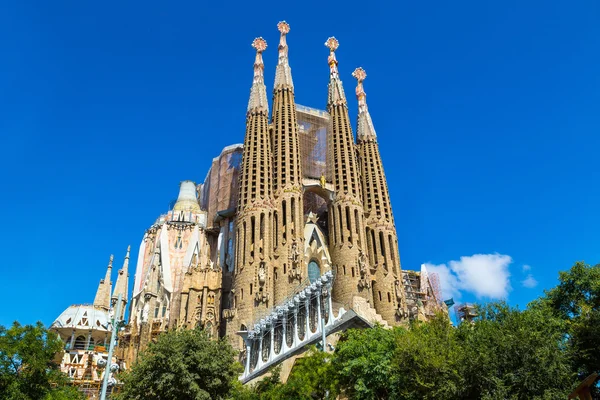
Spain is experiencing an unprecedented tourism surge in 2026, with visitor numbers reaching new all-time highs. According to recent reports, travelers are increasingly choosing Spain over Middle Eastern destinations, drawn by its rich cultural heritage, diverse landscapes, and world-class infrastructure. The country welcomed millions more tourists this year, driven by a combination of factors including enhanced air connectivity, competitive pricing, and a renewed focus on sustainable travel. From the sun-drenched beaches of Costa del Sol to the architectural wonders of Barcelona and Madrid, Spain offers something for every type of explorer. This boom is not just about quantity—the quality of experiences has also improved, with new boutique hotels, renovated historic sites, and innovative culinary tours popping up across the nation.
The Spanish Tourist Office (Turespaña) has formed a strategic partnership with Wego, the leading travel marketplace in the Middle East and North Africa (MENA) region, to inspire more travelers from these markets to discover Spain. This collaboration aims to showcase Spain's lesser-known gems alongside its iconic attractions, targeting a demographic that values authentic, immersive experiences. With tailored marketing campaigns, curated itineraries, and exclusive deals, the initiative is already bearing fruit. For tourists from the MENA region, this means easier access to information, special packages, and a warm welcome that highlights Spain's Moorish heritage—a cultural thread that resonates deeply with visitors from these countries. The partnership underscores Spain's commitment to diversifying its visitor base and reducing seasonality.
Expanding beyond traditional European markets, Spain is aggressively marketing itself to outbound travelers from the MENA region, a rapidly growing segment of global tourism. Travel And Tour World reports that Spain's tourism authorities are developing new promotional materials, hosting familiarization trips for travel agents, and participating in major travel fairs across the Gulf states. The strategy focuses on promoting Spain as a year-round destination, with particular emphasis on spring and autumn when weather is mild and crowds are thinner. Highlights include the Alhambra in Granada, the Mezquita in Córdoba, and the vibrant souk-like markets of Seville, which offer cultural touchpoints for MENA visitors. This expansion is expected to boost Spain's economy and create new opportunities for local businesses, from family-run tapas bars to luxury resorts.
Spain's tourism boom is also reshaping how travelers experience the country. With record numbers, authorities are investing in smart tourism solutions to manage crowds and protect cultural treasures. New digital tools allow visitors to book timed entries to popular sites like the Sagrada Familia and the Prado Museum, reducing wait times and ensuring a more pleasant visit. Regional initiatives promote off-the-beaten-path destinations such as the Picos de Europa National Park, the whitewashed villages of Andalusia's Alpujarras, and the wild coastline of Galicia. For those seeking authentic encounters, homestay programs and agritourism experiences are on the rise, allowing travelers to live like locals. Spain's high-speed AVE trains make it easy to hop between cities, while improved bike-sharing and pedestrian zones make urban exploration a joy.
Practical tip: Book major attractions like the Alhambra and Park Güell at least two weeks in advance, especially during peak season (May–September). Consider visiting in shoulder months (April, October) for lower prices and fewer crowds.