Spain 2026: Record Tourism Boom with 97 Million Visitors Expected
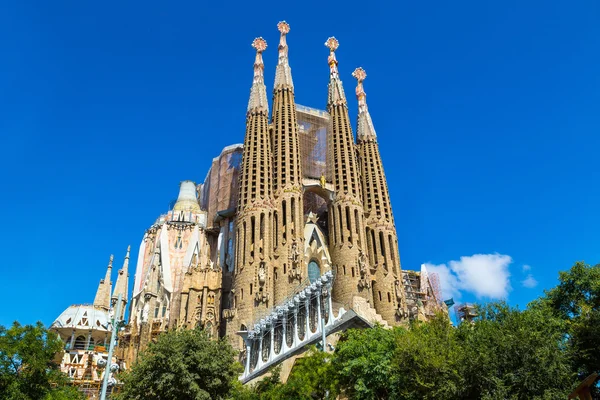
Spain is set to shatter all previous tourism records in 2026, welcoming an estimated 97 million international visitors according to recent data from ETIAS.com. This remarkable surge positions Spain as Europe’s undisputed leader in overnight tourism growth, driven by a global shift toward longer, more immersive holidays. Travelers are increasingly choosing Spain for its exceptional blend of world-class cuisine, sun-drenched beaches, and rich cultural heritage. The boom reflects a broader trend where tourists prioritize quality experiences over quick getaways, with average stays extending well beyond the traditional week. From the bustling streets of Barcelona to the serene coasts of Andalusia, every corner of the country is feeling the positive ripple effects of this unprecedented influx.
The surge in travel to Spain is also being fueled by geopolitical shifts, as tourists increasingly avoid the Middle East and reroute their holidays to safer, more stable destinations. According to Reuters, flight and hotel bookings for Spain and Portugal have jumped significantly as travelers seek peace of mind without compromising on adventure or luxury. This trend has been particularly noticeable among North American and Asian markets, where direct flight connections have expanded in 2025 and 2026. Spanish tourism boards have responded by enhancing infrastructure, from high-speed rail links to eco-friendly accommodations, ensuring that even the most remote villages are accessible. The result is a vibrant, diverse travel landscape where ancient traditions meet modern comforts, and every visitor feels welcomed.
Food remains a cornerstone of Spain’s magnetic appeal, with culinary tourism growing at an unprecedented rate. In 2026, travelers are flocking to San Sebastián for its Michelin-starred pintxos, exploring the sherry bodegas of Jerez, and taking cooking classes in rural Catalonia. The country’s gastronomic festivals, such as La Tomatina and the Rioja Wine Harvest, are drawing record crowds, while local markets in Madrid and Valencia become daily destinations for food lovers. This culinary renaissance is supported by a network of farm-to-table initiatives and sustainable fishing practices that highlight Spain’s commitment to quality and authenticity. For many visitors, the journey is as much about tasting the essence of Spain as it is about seeing its landmarks.
Beyond food, Spain’s heritage and beach offerings continue to captivate. The Alhambra in Granada, the Sagrada Familia in Barcelona, and the historic cities of Toledo and Segovia are seeing extended opening hours and advanced booking systems to manage the crowds. Meanwhile, the Balearic and Canary Islands report record occupancy rates, with travelers opting for extended holidays that combine sunbathing with hiking, cycling, and cultural excursions. The rise of “slow travel” has encouraged tourists to rent villas for weeks rather than days, immersing themselves in local life. Spain’s diverse regions—from the green hills of Galicia to the arid beauty of Almería—offer something for every season, making it a year-round destination that consistently exceeds expectations.
Practical tip: Book flights and accommodations at least three months in advance for 2026, especially for peak seasons like Easter and summer, as demand is at historic highs. Consider visiting lesser-known gems like Extremadura or the Basque Country’s interior for a more authentic experience away from the crowds.