Spain 2026: Solar Eclipse, Off-Season Boom & Tourism Evolution
Spain is gearing up for an extraordinary 2026, with a rare total solar eclipse set to cast its shadow across the country’s most enchanting rural landscapes. According to The New York Times, this celestial event is expected to draw thousands of international visitors to lesser-known regions like Extremadura, Castile and León, and the Pyrenees, offering a golden opportunity for travelers to explore Spain’s hidden gems away from the crowded coasts. Small villages, historic monasteries, and nature reserves are preparing eclipse-viewing festivals, local gastronomy events, and stargazing tours. For tourists, this means a chance to combine awe-inspiring astronomy with authentic Spanish culture, all while supporting sustainable tourism in areas that rarely see such global attention. The eclipse promises to be a once-in-a-lifetime spectacle that puts Spain’s rural heritage firmly on the map.
Meanwhile, Spain’s year-round tourism strategy is already paying off, with Travel And Tour World reporting strong growth in off-season travel from the United Kingdom. British travelers are increasingly choosing autumn, winter, and early spring visits to enjoy milder weather, lower prices, and fewer crowds. Destinations such as Andalusia’s white villages, the Basque Country’s pintxos bars, and Valencia’s modernist architecture are seeing a steady influx of UK tourists eager to experience Spain beyond the summer frenzy. This shift is bolstered by new flight routes, improved rail connections, and targeted marketing campaigns that highlight cultural festivals, culinary workshops, and outdoor activities like hiking and cycling. For the savvy traveler, this means more authentic interactions with locals, better availability at top hotels, and a relaxed pace that allows for deeper exploration of Spain’s diverse regions.
Barcelona, long a symbol of overtourism, is leading a transformative shift from a pure travel industry model to a broader visitor economy, as detailed in a recent analysis by tourism-review.com. The city is rethinking its approach by prioritizing resident well-being, cultural preservation, and high-value tourism over sheer visitor numbers. Initiatives include limiting cruise ship arrivals, promoting neighborhood-based experiences in areas like Gràcia and Poblenou, and investing in digital tools that spread tourists across lesser-known attractions. This evolution is resonating with travelers who seek meaningful connections rather than checklist sightseeing. Barcelona’s example is inspiring other Spanish cities such as Seville, Bilbao, and Palma de Mallorca to adopt similar strategies, ensuring that tourism benefits local communities while preserving the unique character that draws visitors in the first place.
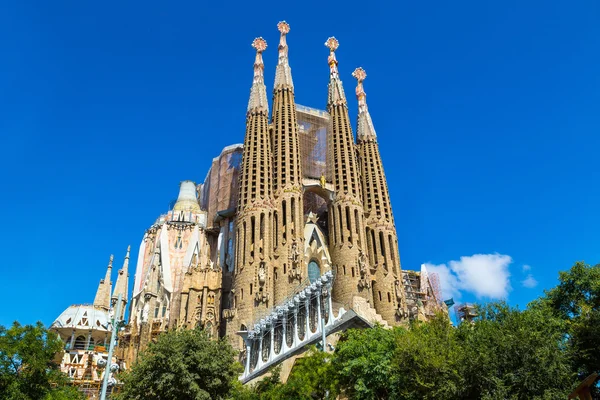
For tourists planning a trip to Spain in 2026, these developments create a perfect storm of opportunity. The solar eclipse offers a compelling reason to venture off the beaten path, while the growth in off-season travel means you can enjoy iconic sites like the Alhambra, Sagrada Familia, or Prado Museum without the peak-season crush. The shift toward a visitor economy also means better-managed attractions, more authentic local experiences, and a greater emphasis on sustainability. Whether you’re a first-time visitor or a seasoned Spain enthusiast, 2026 is shaping up to be a landmark year. From rural stargazing to urban cultural immersion, Spain is reinventing itself as a destination that values quality over quantity, inviting travelers to slow down, connect, and truly savor every moment.
Practical tip: Book your eclipse-viewing accommodation in rural Spain at least 12 months in advance, as demand will be intense. For off-season UK travel, look for package deals in November and February—these months offer the best balance of sunny days, low prices, and uncrowded attractions.