Spain in 2026: Open Doors for Russian Tourists and Record Luxury Spending
Spain is making headlines in 2026 as it continues to welcome Russian tourists despite broader European Union discussions about tightening visa restrictions. While some EU member states have pushed for stricter controls following geopolitical tensions, Spain has chosen to maintain an open-door policy, recognizing the significant economic contributions of Russian travelers. This decision underscores Spain’s commitment to tourism as a pillar of its economy, which has rebounded strongly post-pandemic. For Russian visitors, this means straightforward visa processes remain in place, allowing them to explore Spain’s vibrant cities, sun-drenched coasts, and rich cultural heritage without added bureaucratic hurdles. The move also signals Spain’s independent stance within the EU, prioritizing tourism revenue and cultural exchange over political pressures.
At the same time, Morocco has emerged as a powerhouse of luxury travel to Spain, with Moroccan tourists spending over €1 billion in 2025 and driving demand for high-end experiences. This surge reflects a broader trend of affluent travelers from North Africa seeking Spain’s world-class resorts, Michelin-starred dining, and exclusive shopping destinations. Cities like Marbella, Barcelona, and Madrid have seen a notable uptick in bookings at five-star hotels and private villas, while luxury tour operators report increased interest in customized itineraries featuring flamenco shows, private yacht charters, and guided visits to architectural gems like the Alhambra. This influx not only boosts local economies but also enriches Spain’s multicultural tourism landscape, creating a vibrant blend of traditions and modern luxury.
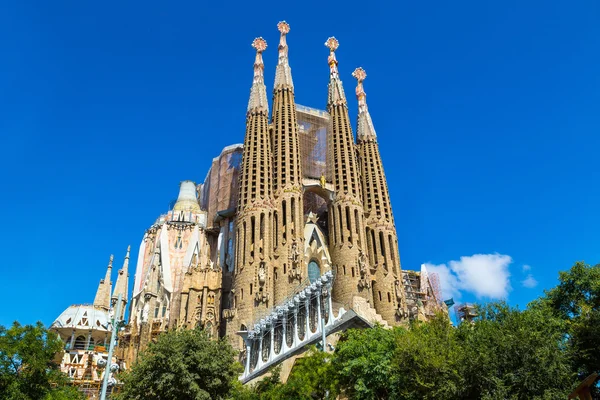
Spain also ranks among Europe’s top tourist magnets, consistently attracting millions of visitors each year with its diverse offerings. According to recent data from Euronews, the country competes closely with France and Italy for the title of most visited European destination, thanks to its sunny climate, iconic landmarks, and affordable luxury. From the artistic treasures of the Prado Museum in Madrid to the surreal architecture of Antoni Gaudí in Barcelona, and from the pristine beaches of the Costa del Sol to the culinary delights of San Sebastián, Spain offers something for every traveler. The country’s infrastructure, including high-speed trains and regional airports, makes it easy to explore multiple regions in a single trip, while its warm hospitality ensures repeat visits. In 2026, Spain is expected to see record numbers, driven by both traditional markets and emerging ones like Morocco and Russia.
This dynamic mix of open policies and growing luxury segments is reshaping Spain’s tourism landscape in 2026. While Russian visitors benefit from continued visa access, Moroccan high-spenders are elevating the standard for premium travel, prompting hotels and tour companies to innovate with exclusive packages. For instance, some resorts now offer private cooking classes with local chefs, while others provide guided tours of hidden medieval villages. The synergy between these two trends creates a unique opportunity for tourists from all backgrounds to experience Spain at its most welcoming and diverse. Travelers can expect fewer crowds in shoulder seasons, as the luxury segment tends to book off-peak dates, and enhanced services across the board, from personalized concierge assistance to curated cultural events. Spain’s ability to balance mass tourism with high-end demand sets a benchmark for sustainable growth.
Practical tip: Book your flights and accommodations early for 2026, as demand from both Russian and Moroccan travelers is rising fast. Consider visiting lesser-known regions like Extremadura or Galicia for authentic experiences and better value, while still enjoying Spain’s famous hospitality.
Spain’s tourism in 2026 is a story of resilience and adaptation, offering opportunities for every kind of traveler. Whether you are drawn by the allure of luxury in Marbella or the cultural richness of Seville, the country’s open doors and diverse visitor base ensure a vibrant, welcoming atmosphere. Keep an eye on evolving visa policies if you are from outside the EU, but for now, Spain remains a top choice for unforgettable journeys.