Spain 2026: Record Tourism, Wine Routes, and Safety Tips
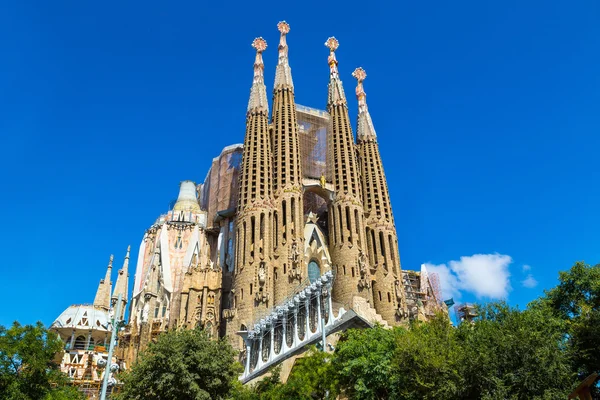
Spain is on track to achieve an extraordinary milestone in 2026: welcoming 100 million international tourists, according to recent projections from Travel Tomorrow. This surge reflects the country’s enduring appeal, from the sun-drenched beaches of Costa del Sol to the architectural wonders of Barcelona and Madrid. The Spanish government has been investing heavily in infrastructure, sustainable tourism initiatives, and off-season travel campaigns to manage the influx while preserving local culture. For travelers, this means more flight options, improved high-speed rail connections, and enhanced services in popular destinations. Whether you’re a first-time visitor or a seasoned explorer, Spain in 2026 promises vibrant festivals, world-class cuisine, and a warm Mediterranean welcome that keeps drawing people back year after year.
Wine tourism is emerging as a major draw, with Italy aligning with Spain, France, Greece, and other Mediterranean countries to promote vineyard experiences in regions like Sicily, Tuscany, Santorini, and Spain’s own Rioja and Ribera del Duero. This collaborative effort highlights the growing trend of experiential travel, where tourists seek authentic, immersive activities beyond traditional sightseeing. In Spain, you can explore ancient bodegas, participate in grape harvests, and savor local varietals paired with regional tapas. The initiative also emphasizes sustainable wine production and rural development, encouraging visitors to venture into lesser-known areas like Priorat or Rías Baixas. For wine lovers, 2026 is the perfect time to uncork a journey through Spain’s rich viticultural heritage.
Canada has recently updated its travel advisory for Spain, providing new crime and safety alerts that travelers should heed. The advisory notes an increase in petty theft, particularly in crowded tourist areas like Las Ramblas in Barcelona, Sol in Madrid, and popular beach resorts. Pickpocketing and bag snatching remain common, but violent crime is rare. The Canadian government recommends staying vigilant, using hotel safes, and avoiding unlicensed taxis. Spain’s tourist police are highly visible and responsive, and emergency services are reliable. These updates are not meant to deter travel but to ensure visitors take sensible precautions. With awareness and a few simple measures, you can enjoy Spain’s vibrant cities and stunning landscapes with peace of mind.
Beyond the headlines, Spain continues to charm with its diverse offerings: from the Moorish palaces of Andalusia to the green hills of Galicia and the volcanic landscapes of the Canary Islands. 2026 will see the opening of new museums, eco-friendly hotels, and expanded cycling routes along the Camino de Santiago. The country’s commitment to sustainable tourism means more pedestrian zones, reduced plastic use, and incentives for off-peak travel. Foodies can indulge in Michelin-starred restaurants or humble chiringuitos by the sea, while history buffs explore Roman ruins and Gothic cathedrals. Spain’s regional diversity ensures every trip feels unique, whether you’re flamenco dancing in Seville, hiking in the Pyrenees, or sailing in the Balearic Islands.
Practical tip: To avoid crowds and enjoy lower prices, plan your visit for spring (April-May) or autumn (September-October). Keep valuables secure in a cross-body bag, and always have a copy of your passport handy. For wine tours, book ahead as smaller bodegas fill up quickly. Embrace the local siesta rhythm—shops often close from 2-5 PM—and don’t miss the chance to try regional specialties like paella in Valencia or pintxos in San Sebastián. With a little preparation, your 2026 Spanish adventure will be safe, delicious, and unforgettable.