Spain 2026: Record Tourism and Must-Know Travel Tips
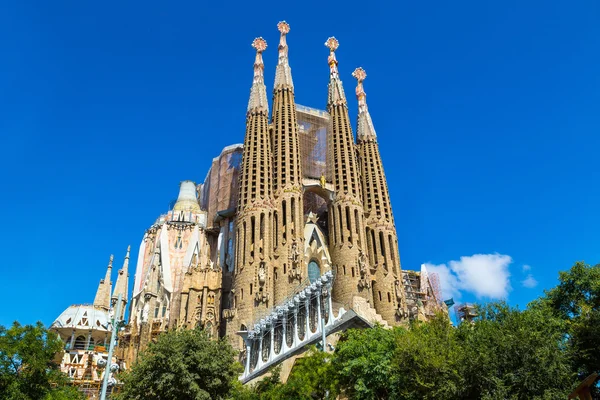
Spain is on an extraordinary trajectory, with projections indicating it will host 100 million international tourists by 2026. This milestone reflects the country's enduring appeal, from the sun-drenched beaches of Costa del Sol to the architectural wonders of Barcelona and the vibrant streets of Madrid. Recent reports from Travel Tomorrow highlight that Spain's tourism infrastructure is expanding rapidly, with new flight routes, improved high-speed rail connections, and a surge in sustainable accommodations. For travelers, this means more options than ever, but also a need to plan ahead to avoid crowds and secure the best experiences. Whether you're drawn to flamenco, paella, or historic landmarks, 2026 promises to be a banner year for exploring this diverse nation.
Before booking your trip, it's crucial to understand key logistical details. Yahoo Creators recently published a comprehensive guide emphasizing that Spain's peak season—June through August—brings intense heat and packed attractions. Instead, consider shoulder months like April-May or September-October, when weather is pleasant and prices are lower. Additionally, be aware that many museums and popular sites now require advance reservations, especially in cities like Seville and Granada. The Alhambra, for instance, often sells out weeks ahead. Also, note that Spain has a strong tapas culture, but meal times differ from many countries: lunch is typically 1:30-3:30 PM, and dinner starts after 8:30 PM. Embracing these local rhythms will enrich your experience.
A unique event in 2026 is the solar eclipse that will cast a shadow over parts of 'emptied Spain'—the sparsely populated rural interior. The New York Times reports that this celestial phenomenon is drawing attention to regions like Extremadura, Castilla-La Mancha, and Aragon, which are often overlooked by tourists. These areas offer authentic experiences: medieval villages, pristine nature parks, and gastronomic traditions that have remained unchanged for centuries. The eclipse, expected in August 2026, will bring a surge of visitors to these quiet corners, providing a rare opportunity to witness both a natural wonder and the revival of local communities. For travelers, it's a chance to explore beyond the typical tourist trail and connect with Spain's soul.
As Spain gears up for this tourism boom, the government is investing in sustainable travel initiatives to protect its cultural and natural heritage. New regulations limit the number of visitors to fragile sites like the Balearic Islands' coves and the Camino de Santiago trails. Eco-certified hotels and farm-to-table restaurants are proliferating, especially in regions like Catalonia and Andalusia. Travelers can contribute by choosing public transport—Spain's AVE trains are world-class—and supporting local artisans instead of mass-produced souvenirs. Remember to pack light for cobblestone streets and carry a reusable water bottle, as tap water is safe in most cities. These small choices help ensure Spain remains vibrant for generations.
Practical tip: Book your 2026 eclipse viewing spot early—accommodations in rural Spain are limited and will fill fast. Also, download apps like Renfe for train schedules and Google Maps offline for remote areas. Finally, learn a few Spanish phrases like 'gracias' and '¿dónde está...?'—locals appreciate the effort and it opens doors to warmer interactions.