Spain 2026: Top Destination for Overnight Tourism Growth and Extended Holidays
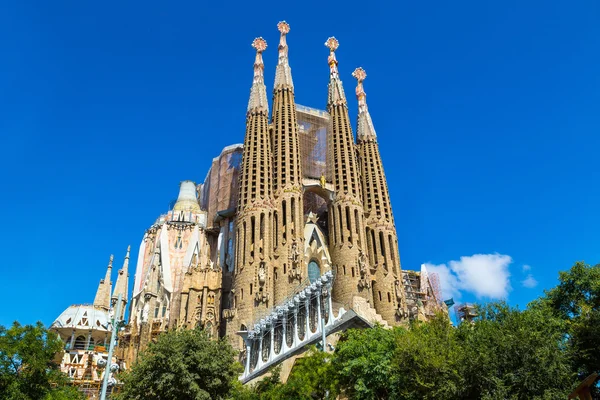
Spain is cementing its status as Europe’s most sought-after destination in 2026, driven by a remarkable surge in overnight tourism. According to recent data from Travel And Tour World, Spain leads the continent in overnight growth, with global travelers increasingly choosing its sun-drenched beaches, world-class cuisine, and rich cultural heritage for extended holidays. This boom is partly fueled by geopolitical tensions in the Middle East, which have prompted tourists to seek safer, more stable alternatives. As a result, flight and hotel bookings across Spain and neighboring Portugal have jumped significantly, as reported by Reuters. From the Costa del Sol to Barcelona’s Gothic Quarter, the country is welcoming a new wave of visitors eager to immerse themselves in authentic experiences, from tapas tours to flamenco shows, all while enjoying the warm hospitality that makes Spain a perennial favorite.
The shift in travel patterns is not just about safety; it’s a conscious move toward destinations that offer depth and variety. Spain’s appeal lies in its ability to cater to every type of traveler, whether you’re a history buff exploring the Alhambra in Granada, a foodie savoring pintxos in San Sebastián, or a sun seeker lounging on the beaches of Mallorca. Euronews highlights that Spain consistently ranks among the top European countries for tourist arrivals, and 2026 is no exception. The country’s diverse regions—from Andalusia’s whitewashed villages to Catalonia’s vibrant cities—provide endless opportunities for discovery. With improved infrastructure, including expanded high-speed rail connections and eco-friendly accommodations, Spain is making it easier than ever to plan longer stays, encouraging visitors to slow down and truly connect with local life.
What sets Spain apart in 2026 is its focus on sustainable and meaningful travel. The overnight tourism boom isn’t just about numbers; it’s about quality. Travelers are spending more time in each destination, participating in cooking classes, vineyard tours, and guided heritage walks that support local economies. The Spanish government has invested in preserving natural parks and historic sites, ensuring that tourism growth doesn’t come at the expense of the environment. Meanwhile, the country’s renowned festivals, such as La Tomatina and San Fermín, continue to draw crowds, but there’s a growing trend toward off-season travel to avoid overcrowding. Whether you’re hiking in the Picos de Europa or strolling through Seville’s Alcázar, the emphasis is on immersive, responsible travel that leaves a positive impact on both visitors and communities.
Food and beaches remain the twin pillars of Spain’s tourism success, but heritage is the hidden gem that keeps travelers coming back. The country boasts 49 UNESCO World Heritage Sites, from the works of Antoni Gaudí in Barcelona to the prehistoric cave art of Altamira. In 2026, new culinary trails and cultural routes are being launched, connecting lesser-known towns like Ronda and Cuenca with major hubs. This expansion helps distribute tourist traffic more evenly, reducing pressure on hotspots while showcasing Spain’s incredible diversity. The overnight growth also means more opportunities for travelers to enjoy authentic local experiences, such as staying in a traditional parador or dining at a family-run bodega. With flight connections improving from North America and Asia, Spain is more accessible than ever, making it an ideal choice for those seeking a blend of relaxation and adventure.
Practical tip: For the best experience in 2026, book your accommodation and key attractions at least three months in advance, especially for popular destinations like Barcelona, Seville, and the Balearic Islands. Consider traveling in the shoulder seasons of April–June or September–October to enjoy milder weather, fewer crowds, and lower prices. Use Spain’s efficient high-speed AVE trains to explore multiple regions without the hassle of airports, and don’t miss local food markets like Madrid’s Mercado de San Miguel for an authentic taste of Spanish culture.