Spain 2026: New Travel Rules and Record Visitor Boom
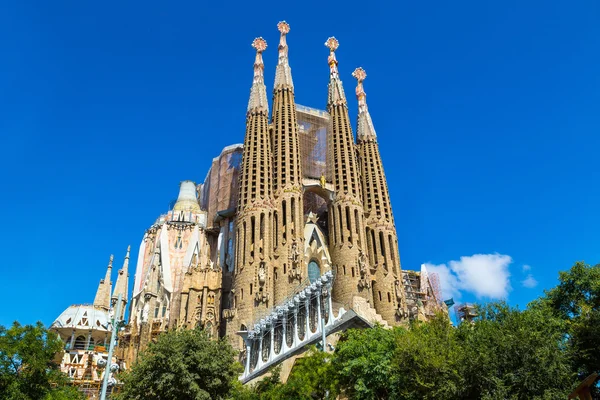
Spain is experiencing an extraordinary tourism renaissance in 2026, with visitor numbers soaring to new all-time highs as travelers increasingly choose the Iberian Peninsula over destinations in the Middle East. According to recent reports from the BBC, Spain's appeal has only grown stronger amid geopolitical shifts, with tourists flocking to its sun-drenched coasts, vibrant cities, and culturally rich regions. From the artistic streets of Barcelona to the flamenco rhythms of Seville and the serene Balearic Islands, Spain offers a diverse tapestry of experiences that continue to captivate global explorers. This surge is not just a fleeting trend but a testament to Spain's enduring charm, world-class infrastructure, and commitment to welcoming visitors with open arms.
In a strategic move to diversify its tourism base, Spain has launched a new collaboration with Wego, a leading travel platform, specifically targeting travelers from the Middle East and North Africa (MENA). This initiative, reported by Travel And Tour World, aims to showcase Spain's unique blend of history, gastronomy, and modern luxury to a growing market of discerning travelers. The campaign highlights tailored packages, halal-friendly dining options, and cultural attractions that resonate with MENA visitors. By tapping into this vibrant demographic, Spain is not only boosting its visitor numbers but also fostering cross-cultural connections that enrich the travel experience for everyone. Expect to see more Arabic-language guides, prayer facilities, and curated itineraries in major tourist hubs.
However, every traveler planning a trip to Spain in 2026 should be aware of a significant new requirement: a mandatory tourist fund contribution that will come into effect later this year. As reported by Lifestyle Asia Hong Kong, this fund is designed to support sustainable tourism initiatives, including environmental conservation, infrastructure maintenance, and community projects in popular destinations. The exact amount is still being finalized, but it is expected to be a modest fee added to accommodation costs or collected at entry points. While it may sound like an extra expense, think of it as a small investment in preserving Spain's natural beauty and cultural heritage for future generations. The fund will help manage overtourism, protect fragile ecosystems, and ensure that your favorite spots remain pristine and accessible.
The record-breaking visitor numbers are also reshaping how Spain manages tourism. Regional governments are implementing smart crowd-control measures, such as timed entry to iconic sites like the Alhambra and Sagrada Familia, and promoting lesser-known gems like Extremadura or the Pyrenees. This shift encourages travelers to explore beyond the typical hotspots, discovering hidden villages, local festivals, and untouched landscapes. For adventurous souls, hiking the Camino de Santiago or kayaking in the Costa Brava offers unforgettable encounters with nature. Meanwhile, cities like Madrid and Valencia are investing in green spaces, pedestrian zones, and efficient public transport to enhance the visitor experience. Spain's message is clear: come, stay longer, and immerse yourself in the authentic spirit of the country.
Practical tip: To ensure a smooth trip, book accommodations and attractions well in advance, as demand is high. Also, check the official Spanish tourism website for updates on the tourist fund requirement, which may vary by region—some areas might include it in your hotel bill, while others may ask for a separate payment upon arrival. Pack light, carry a reusable water bottle, and embrace the local siesta rhythm for a truly enriching travel experience.