Spain 2026 Travel Guide: Heatwave Tips & Tourist Trends
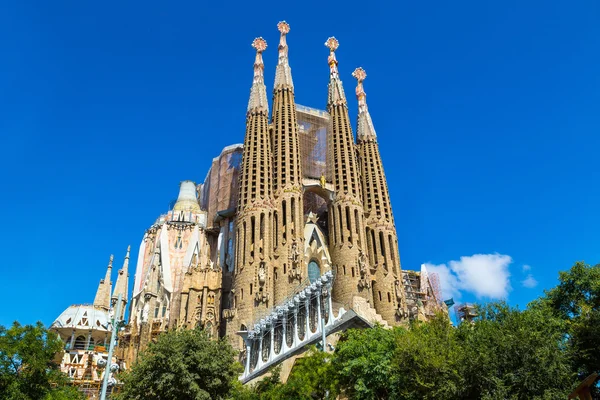
As Spain steps into 2026, the country is experiencing an unprecedented heatwave that is reshaping the way tourists explore its sun-drenched coasts and historic cities. Popular destinations like Barcelona, Madrid, Seville, and the Balearic Islands have recorded temperatures soaring above 40°C, prompting both authorities and travelers to adapt quickly. While the heat may sound daunting, it also offers a unique opportunity to discover Spain in a new light—early morning strolls through empty plazas, shaded tapas bars buzzing with locals, and siestas that feel more necessary than ever. The key is to plan ahead: book accommodations with air conditioning, carry reusable water bottles, and embrace the rhythm of the Mediterranean day. This heatwave is not a deterrent but a call to travel smarter, and Spain remains as vibrant and welcoming as ever.
Meanwhile, Spain continues to solidify its position as one of Europe’s top tourist magnets, drawing millions of visitors from around the globe. According to recent data, Spain ranks second only to France in European tourist arrivals, with over 85 million international visitors in 2025, and projections for 2026 show continued growth. The country’s appeal lies in its incredible diversity—from the sun-soaked beaches of Costa del Sol to the cultural riches of Granada and the culinary scene of San Sebastián. This surge in popularity means that popular sites like the Alhambra and Park Güell require advance bookings, but it also means better infrastructure, more flight options, and a thriving tourism economy. For travelers, this is a sign of a destination that is well-equipped to handle crowds while still offering authentic experiences off the beaten path.
An interesting trend emerging in 2026 is the significant rise in luxury travel demand from Moroccan tourists, who spent over €1 billion in Spain last year. This influx is driven by Spain’s proximity, high-end shopping in Madrid and Barcelona, and world-class resorts in Marbella and the Canary Islands. The Moroccan market now represents a key segment of Spain’s tourism economy, with travelers seeking exclusive experiences like private yacht charters, Michelin-starred dining, and bespoke cultural tours. For all visitors, this underscores Spain’s ability to cater to diverse budgets and tastes. Whether you’re a backpacker or a luxury seeker, the country offers unparalleled value and variety. The growing Moroccan presence also enriches the cultural tapestry, adding new flavors and perspectives to Spain’s already vibrant mix.
Adapting to the heatwave doesn’t mean sacrificing fun—it means adjusting your itinerary to make the most of cooler hours. Many museums and galleries now offer extended evening hours, and coastal cities have introduced nighttime beach activities and open-air cinema screenings. Inland, wineries in Rioja and Ribera del Duero host early morning tastings, while the Picos de Europa mountains provide a refreshing escape for hikers. Public fountains and shaded parks become social hubs, and the tradition of the siesta is experiencing a revival among tourists. Local businesses are also innovating: gelato shops offer cucumber-mint flavors, and hotels provide chilled towels and misting stations. The heatwave is fostering a slower, more mindful way of traveling that many visitors are embracing as a welcome change from the usual rush.
Practical tip: To beat the heat in Spain 2026, plan your sightseeing between 7–11 AM and 6–10 PM, stay hydrated with electrolyte drinks, and always carry a sun hat and sunscreen. Book accommodations with reliable air conditioning and consider northern regions like Galicia or the Basque Country for milder temperatures. Embrace the siesta—it’s your secret weapon for a refreshing, enjoyable trip.