Spain Aims for 100 Million Tourists in 2026: A New Era of Travel
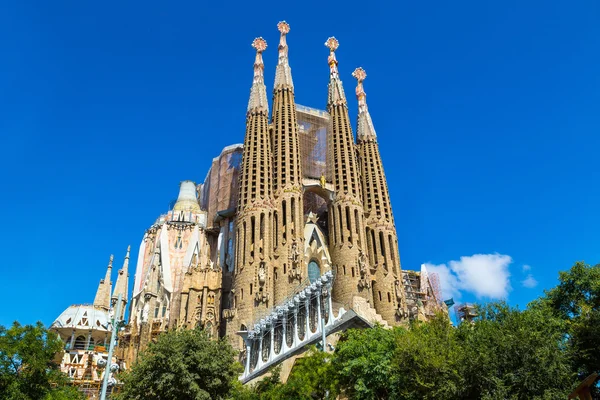
Spain is setting its sights on an extraordinary milestone: welcoming a historic 100 million international tourists in 2026. This ambitious target, reported by Travel And Tour World and Travel Tomorrow, reflects the nation's remarkable post-pandemic recovery and its growing appeal as a premier global destination. With record visitor growth already underway, Spain is not just attracting more travelers but also elevating the quality of their experiences. The surge is driven by a combination of factors, including expanded airlift, strategic marketing campaigns, and a renewed focus on sustainable tourism. From the sun-drenched beaches of the Costa del Sol to the architectural wonders of Barcelona and Madrid, Spain continues to captivate visitors with its rich culture, world-class cuisine, and vibrant festivals. This goal underscores the country's confidence in its tourism infrastructure and its ability to handle increased footfall while preserving its unique charm.
A key driver of this growth is the rise in luxury travel spending. High-end tourists are flocking to Spain for exclusive experiences, from private yacht charters in the Balearic Islands to Michelin-starred dining in San Sebastián and boutique hotel stays in Andalusian whitewashed villages. The Spanish government and tourism boards are actively promoting premium offerings, including wine tours in Rioja, cultural heritage trips to the Alhambra, and wellness retreats in the Canary Islands. This focus on quality over quantity aligns with global trends, as travelers increasingly seek authentic, personalized adventures. Luxury spending is expected to contribute significantly to the economy, with visitors willing to pay a premium for unique, off-the-beaten-path experiences. As a result, Spain is positioning itself as a leader in high-value tourism, blending tradition with modern sophistication to meet the demands of discerning globetrotters.
In tandem with luxury growth, the discovery of hidden destinations is reshaping Spain's tourism landscape. Beyond the iconic cities, travelers are venturing into lesser-known regions such as Extremadura, with its Roman ruins and pristine nature; Galicia's rugged coastline and pilgrim routes; and the volcanic landscapes of La Palma. These hidden gems offer an escape from overcrowded hotspots, providing authentic cultural encounters and stunning natural beauty. Local communities are benefiting from this dispersion of visitors, as sustainable tourism initiatives encourage longer stays and deeper engagement. The Spanish tourism board is actively promoting these areas through digital campaigns and partnerships with travel influencers, highlighting their unique appeal. For tourists, this means more opportunities to explore Spain's diverse geography, from the Pyrenees mountains to the Mediterranean coves, without the crowds. This trend not only enhances the travel experience but also supports regional economies and preserves cultural heritage.
However, with increased tourism comes the need for heightened awareness of safety. Recent updates to Canada's travel advisory for Spain, as reported by MSN, include alerts about crime and safety, particularly in major cities. Pickpocketing, bag snatching, and minor thefts can occur in crowded areas like Las Ramblas in Barcelona, Plaza Mayor in Madrid, and popular markets. The advisory also notes risks of street scams and occasional protests. Despite these concerns, Spain remains a safe destination for millions of visitors each year, with well-trained police forces and tourist assistance services. Travelers are encouraged to stay vigilant, secure their belongings, and avoid isolated areas at night. The Spanish authorities have ramped up security measures, including increased police patrols and surveillance in tourist zones, to ensure a safe environment. By taking simple precautions, visitors can enjoy Spain's vibrant cities and countryside with peace of mind.
Practical tip: For a safer and more rewarding trip, avoid peak hours at major attractions, use hotel safes for valuables, and carry only a photocopy of your passport. Download local emergency apps and consider travel insurance that covers theft. Embrace Spain's hidden gems for a quieter, more authentic experience.