Portugal's 2026 Tourism Boom: What It Means for Your Next Trip
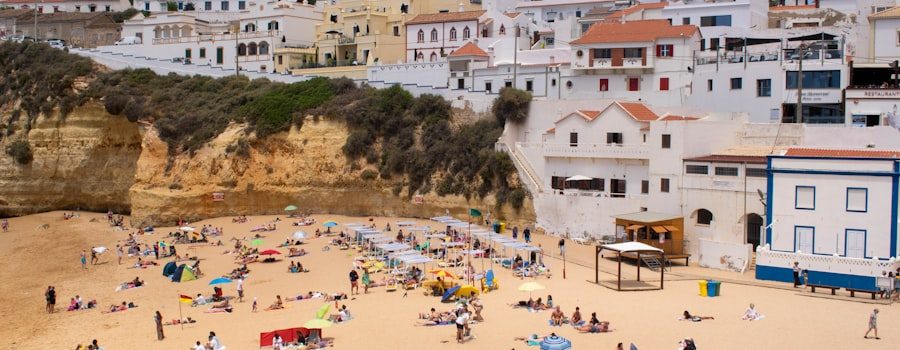
The latest figures from 2026 paint an exhilarating picture for Portugal's tourism sector, revealing an unprecedented boom that saw monthly revenue shatter the €2 billion mark for the first time in March. This isn't just a win for the Portuguese economy; it signals a transformative era for travellers worldwide. Portugal, now alongside European giants like the UK, Germany, and Italy, is experiencing robust travel enthusiasm, not just from international visitors but significantly from its own citizens embarking on stronger domestic trips and European holidays. For anyone planning a visit, this surge translates into a more vibrant, dynamic, and potentially more sought-after destination. The "massive tourism boom" means a richer tapestry of experiences, from sun-drenched beaches to ancient cultural sites and thrilling adventure sports, all buoyed by increased investment and a palpable buzz. However, it also means that popular spots will be livelier, and planning ahead becomes crucial to truly immerse yourself in the charm of this Iberian gem without feeling overwhelmed by the crowds that this popularity brings. The record-breaking revenue in 2026 confirms Portugal's status as a top-tier travel destination.
Portugal's journey to becoming a global tourism powerhouse hasn't happened overnight but is the culmination of years of strategic development and inherent appeal. Historically cherished for its mild climate, stunning coastline, and rich maritime heritage, the nation has steadily invested in its infrastructure, diversified its offerings, and effectively marketed its unique blend of history, culture, and natural beauty. For decades, the Algarve has drawn sun-seekers, while Lisbon and Porto have captivated city explorers with their historic trams, Fado music, and port wine cellars. More recently, regions like the Azores and Madeira have gained prominence for their breathtaking natural landscapes and adventure tourism. This sustained effort has created a robust foundation, making Portugal resilient even through global challenges. The current 2026 boom isn't merely a fleeting trend but an acceleration of this long-term growth, amplified by a post-pandemic surge in travel hunger, both domestically and internationally. Portuguese citizens, in particular, are showing a renewed appreciation for their own country's diverse regions, further strengthening the internal tourism market and ensuring a year-round vibrancy beyond traditional peak seasons.
For travellers eyeing Portugal in 2026 and beyond, this unprecedented tourism boom carries several significant implications. Firstly, expect an even more refined and expansive tourist infrastructure. From new boutique hotels and improved transport links to enhanced cultural experiences and diverse culinary scenes, the increased revenue is being reinvested, promising a higher quality of service and more choices across the board. The surge in visitor spending fuels economic growth, which often translates into better-maintained historical sites, vibrant local markets, and a general uplift in hospitality standards. Secondly, while popular destinations like Lisbon's Alfama, Porto's Ribeira, or the Algarve's golden beaches will undoubtedly be buzzing with energy, they will also be busier than ever. This vibrancy can add to the atmosphere, but it also necessitates smart planning to avoid peak times at major attractions. Expect a wider array of events, festivals, and cultural happenings throughout the year, reflecting a dynamic and confident tourism sector. The "travel hunger" of both locals and international visitors ensures a lively atmosphere, but savvy travellers will seek out authentic experiences by exploring beyond the most obvious hotspots.
To fully embrace Portugal's allure amidst this thriving landscape, consider expanding your itinerary beyond the usual suspects. While Lisbon's historic charm and gastronomic delights, Porto's Douro River cruises, and the Algarve's pristine beaches remain must-sees, venturing slightly off the beaten path can reveal equally rewarding experiences with fewer crowds. Explore the medieval villages of the Alentejo region, known for its vast plains, cork forests, and exceptional wines, or discover the dramatic natural beauty of the Parque Nacional da Peneda-Gerês in the north for hiking and outdoor adventures. The Silver Coast, stretching north of Lisbon, offers charming coastal towns like Nazaré and Óbidos, often with a more laid-back atmosphere than the southern Algarve. For foodies, dive deep into regional specialties – perhaps a "cozido à portuguesa" in the interior, or fresh seafood in Peniche. Consider visiting during the shoulder seasons (spring or autumn) when the weather is still delightful, and the crowds are noticeably thinner. This allows for a more intimate engagement with Portugal's rich culture and stunning landscapes, enhancing your journey despite the overall tourism surge.
Good to know. Practical tip: To truly make the most of your Portuguese adventure in this booming period, meticulous planning is paramount, especially when it comes to accommodation and popular activities. Book your flights, hotels, and any high-demand tours or restaurant reservations well in advance – think months ahead for peak summer travel (June-August) or major city breaks. Flexibility with your travel dates can also be a huge advantage; consider visiting in the shoulder seasons (April-May or September-October) for pleasant weather and reduced crowds, or even explore the quieter winter months for a different, equally authentic experience. Furthermore, don't shy away from utilizing Portugal's excellent public transport network, including trains and buses, which can be an economical and scenic way to navigate between cities and regions, reducing the need for car rentals in congested areas. Embracing less-visited towns and regions will not only provide a more genuine cultural immersion but also help distribute tourism's benefits more broadly across the country, offering a unique perspective away from the main tourist flows.