Portugal Tourism Booms in 2026: Why British and American Visitors Are Flocking
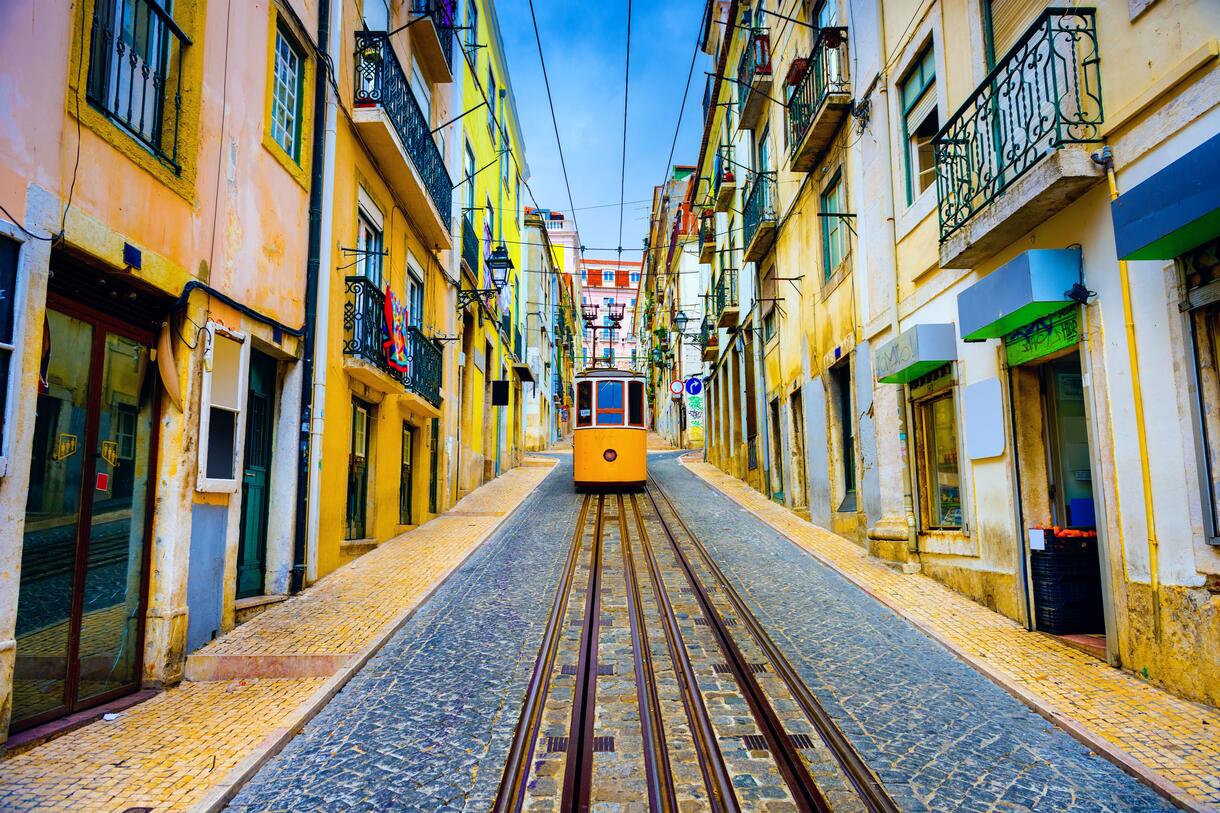
Portugal is experiencing an extraordinary tourism surge in early 2026, with foreign visitor spending surpassing €5.2 billion—a record-breaking figure fueled primarily by British and American travelers. According to recent reports, flight and hotel bookings to Portugal and neighboring Spain have jumped significantly as tourists increasingly avoid the Middle East due to ongoing geopolitical uncertainties. This shift has positioned Portugal as a top-tier alternative, offering sun-drenched coasts, rich cultural heritage, and a welcoming atmosphere. The Algarve’s golden cliffs, Lisbon’s vibrant neighborhoods, and Porto’s port wine cellars are drawing crowds seeking both relaxation and adventure. For travelers looking for a safe, affordable, and unforgettable European escape, Portugal has never been more appealing.
The surge in demand is not just about safety; it’s also about value. While other European destinations grapple with inflation and overcrowding, Portugal remains relatively affordable, with excellent infrastructure and a high standard of service. The weak euro against the dollar and pound makes dining, accommodation, and activities even more budget-friendly for international visitors. American tourists, in particular, are flocking to the Azores for their dramatic volcanic landscapes and to the Douro Valley for wine tours. British travelers, long-time fans of the Algarve, are also exploring lesser-known gems like the Costa Vicentina and the historic city of Évora. This diversification is spreading tourism revenue more evenly across the country, benefiting local communities.
Recent academic research from Nature highlights how the quality of tourism information—from social media posts to official travel guides—strongly influences tourists’ intention to visit Portugal. The study integrates the heuristic-systematic model with the theory of planned behavior, showing that accurate, engaging, and visually appealing content builds trust and excitement. Portugal’s tourism board has capitalized on this by launching targeted campaigns showcasing authentic experiences: from fado music in Lisbon’s Alfama district to surfing in Nazaré. Travelers are responding enthusiastically, booking trips that promise both cultural depth and natural beauty. This data-driven approach ensures that visitors arrive with realistic expectations and leave with memories that exceed them.
The economic impact is immense, with tourism now accounting for a significant share of Portugal’s GDP. Local businesses—from family-run tascas to boutique hotels—are thriving, and the government is investing in sustainable tourism initiatives to protect the environment. New direct flight routes from the US, including from New York to Porto and Boston to the Azores, have made access easier than ever. Meanwhile, high-speed rail connections between Lisbon and Porto are being upgraded to reduce carbon footprints. Even as crowds grow, Portugal maintains its reputation for genuine hospitality and unhurried charm. Whether you’re exploring the limestone caves of Benagil or hiking the Peneda-Gerês National Park, the country offers a sense of discovery that keeps travelers coming back.
Practical tip: Book flights and accommodations at least three months in advance for summer 2026, especially for the Algarve and Lisbon. Consider visiting in shoulder seasons (April-May or September-October) for fewer crowds, lower prices, and mild weather perfect for outdoor adventures.