Portugal 2026: Record Tourism Boom and Essential Travel Tips
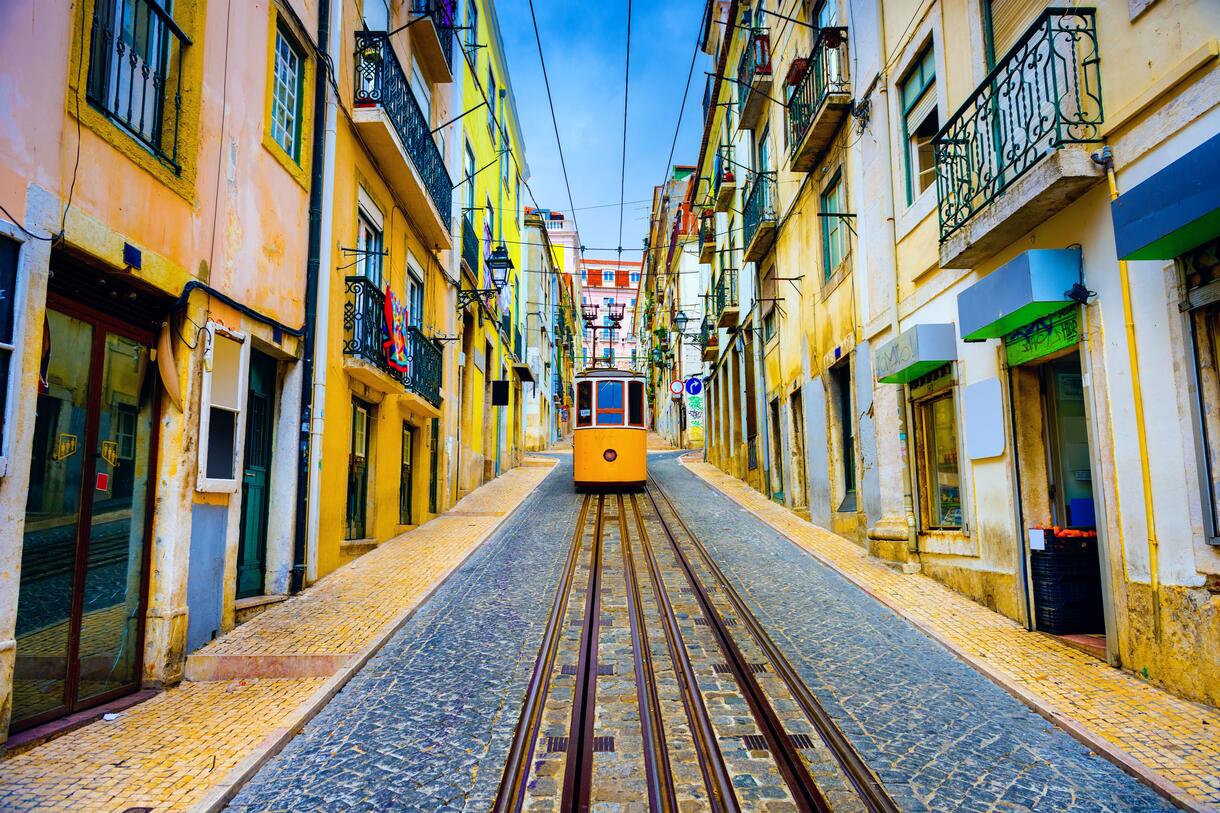
Portugal is riding an extraordinary wave of tourism in early 2026, with foreign visitor spending soaring past €5.2 billion, driven largely by British and American travelers. This record-breaking figure, reported by Travel And Tour World, reflects a broader shift in global travel patterns as tourists increasingly choose Portugal over destinations in the Middle East. The surge comes amid geopolitical uncertainties that have made Spain and Portugal more attractive, with flight and hotel bookings jumping significantly. For travelers, this means a vibrant, bustling scene from Lisbon’s cobblestone alleys to the Algarve’s golden cliffs, but also a need to plan ahead for popular spots. The positive momentum underscores Portugal’s reputation as a safe, welcoming, and culturally rich destination that continues to captivate international visitors.
The rise in tourism is not just about numbers; it’s about quality. A recent study published in Nature explores how the quality of tourism information influences travelers’ intentions to visit Portugal. Using the heuristic-systematic model combined with the theory of planned behavior, researchers found that clear, trustworthy, and visually appealing information significantly boosts tourists’ confidence and desire to explore. For practical travelers, this means relying on official tourism websites, reputable blogs, and up-to-date reviews can make your trip smoother and more rewarding. Whether you’re eyeing the Douro Valley wine region or the historic neighborhoods of Porto, accurate information helps you avoid crowds, find hidden gems, and make informed decisions that enhance your experience.
With over €5.2 billion already spent by foreign tourists in the first part of 2026, Portugal is experiencing a tourism renaissance that benefits both visitors and locals. The influx of British and American visitors has led to expanded flight routes, improved infrastructure, and a wider range of accommodation options from boutique hotels to eco-friendly stays. Cities like Lisbon and Porto are buzzing with new restaurants, cultural events, and improved public transport. However, this popularity also means that popular attractions—such as the Jerónimos Monastery or the beaches of the Algarve—can get crowded. Travelers are advised to book tickets in advance, visit early in the morning, or explore lesser-known regions like the Azores or Alentejo for a more tranquil experience.
The shift away from Middle East travel has positioned Portugal as a top-tier alternative, offering a blend of sun, culture, and safety that few destinations can match. The country’s mild climate, affordable prices compared to other Western European nations, and English-friendly environment make it especially appealing to first-time visitors and seasoned explorers alike. In 2026, Portugal is also investing in sustainable tourism initiatives, including better waste management in natural parks and promotion of off-season travel. This commitment ensures that the beauty of places like Sintra, the Douro Valley, and the Algarve coast remains preserved for future generations. For tourists, this means you can enjoy world-class experiences while contributing to a destination that cares about its heritage and environment.
Practical tip: Book flights and accommodations at least three months in advance, especially for summer travel to the Algarve or Lisbon. Use official tourism websites for reliable info, and consider visiting in shoulder seasons (April-May or September-October) for fewer crowds and lower prices.