Portugal 2026: Safe Tourism Boom and New Travel Insights
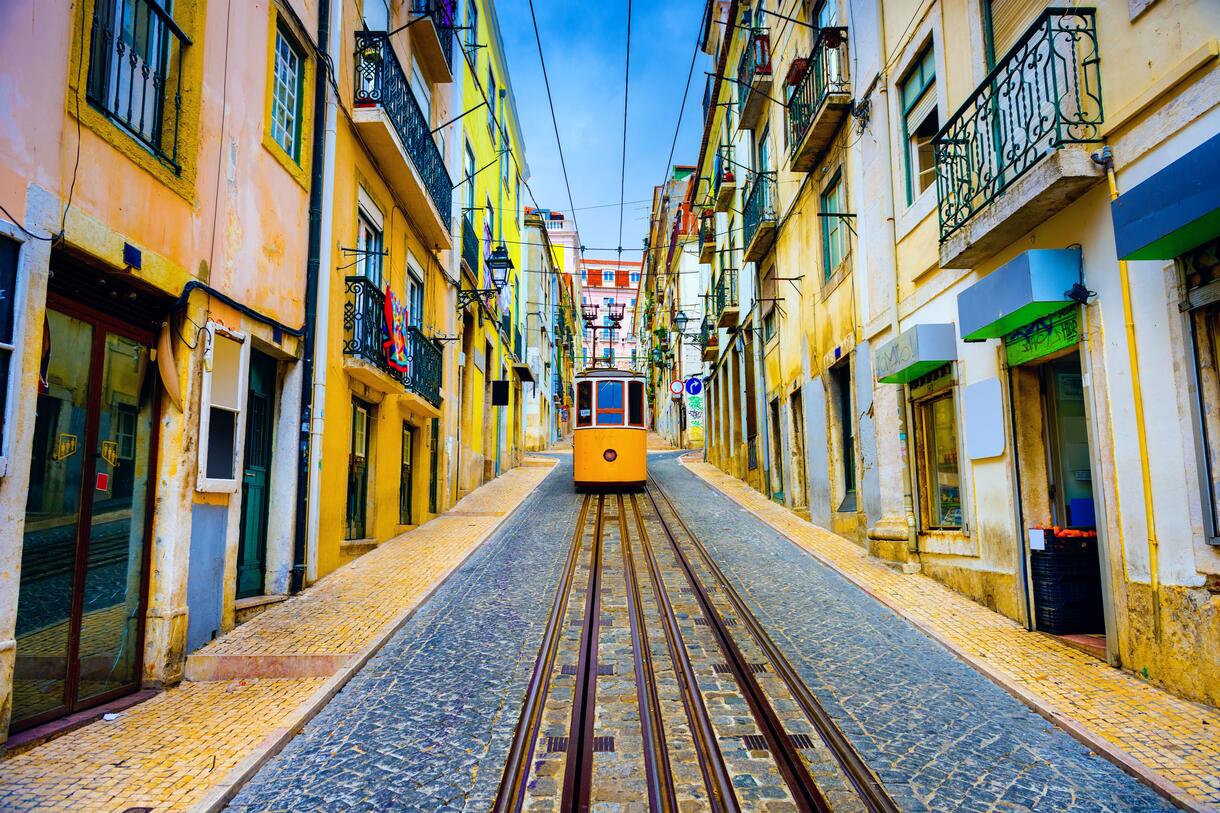
Portugal is experiencing a remarkable surge in tourism as travelers increasingly seek safe and welcoming destinations. According to recent reports, flight and hotel bookings to Portugal and neighboring Spain have jumped significantly, driven by tourists avoiding the Middle East amid ongoing regional tensions. This shift underscores Portugal’s reputation as a secure, culturally rich haven in Europe. From the sun-drenched Algarve coast to the historic streets of Lisbon and Porto, the country is poised to welcome a record number of visitors in 2026. Airlines are adding new routes, and hotels are reporting higher occupancy rates, making it an ideal time to plan your Portuguese adventure. The influx also brings new energy to local communities, with festivals, culinary events, and outdoor activities expanding to meet demand.
A recent study published in Nature explores how the quality of tourism information affects travelers’ intentions to visit Portugal. Using the heuristic-systematic model combined with the theory of planned behavior, researchers found that clear, accurate, and engaging information significantly boosts tourists’ desire to explore the country. For example, well-crafted travel guides, social media posts, and official tourism websites that highlight Portugal’s unique attractions—like the Douro Valley wine region or the Azores’ volcanic landscapes—can sway even hesitant visitors. The study emphasizes that trustworthiness and completeness of information are key. As a result, Portugal’s tourism board is investing in high-quality digital content and multilingual resources to ensure every traveler feels confident and inspired before their journey. This focus on reliable information helps tourists make informed decisions and enhances their overall experience.
In a reminder of nature’s unpredictability, an earthquake of magnitude 4.1 struck a popular tourist region in Portugal recently, as reported by The Independent. The tremor, centered near the Algarve coast, was felt in several resort towns but caused no significant damage or injuries. Portugal’s Civil Protection Agency quickly reassured locals and visitors, emphasizing that such minor seismic events are not uncommon in the region and that emergency protocols are well-established. For travelers, this serves as a gentle reminder to stay aware of local safety guidelines and to register with their embassy or consulate for updates. The Portuguese government maintains robust monitoring systems, and hotels routinely brief guests on emergency procedures. Despite this event, the country remains a top-tier destination, with its tourism infrastructure proving resilient and responsive to any natural occurrences.
Looking ahead to 2026, Portugal is doubling down on sustainable tourism initiatives to balance the influx of visitors with environmental preservation. The government has introduced new policies to limit overcrowding in sensitive areas like Sintra and the Benagil Sea Cave, while promoting lesser-known gems such as the Serra da Estrela mountains and the Alentejo coast. Eco-certified accommodations and farm-to-table dining experiences are becoming more prevalent, allowing tourists to travel responsibly. Meanwhile, the country’s famous festivals, including the Festa de São João in Porto and the Lisbon Book Fair, are expanding their programs to include more cultural exchanges and workshops. With improved rail connections and bike-sharing schemes in major cities, getting around is easier and greener than ever. Portugal’s blend of tradition and innovation ensures that every visit feels both authentic and forward-thinking.
Practical tip: Always check the Portuguese Institute for Sea and Atmosphere (IPMA) for weather and seismic updates, especially if traveling to the Algarve or Azores. Register with your embassy and carry a copy of your travel insurance policy for peace of mind.