Portugal 2026: New Thermal Shelters and Tourism Boom Reshape Travel
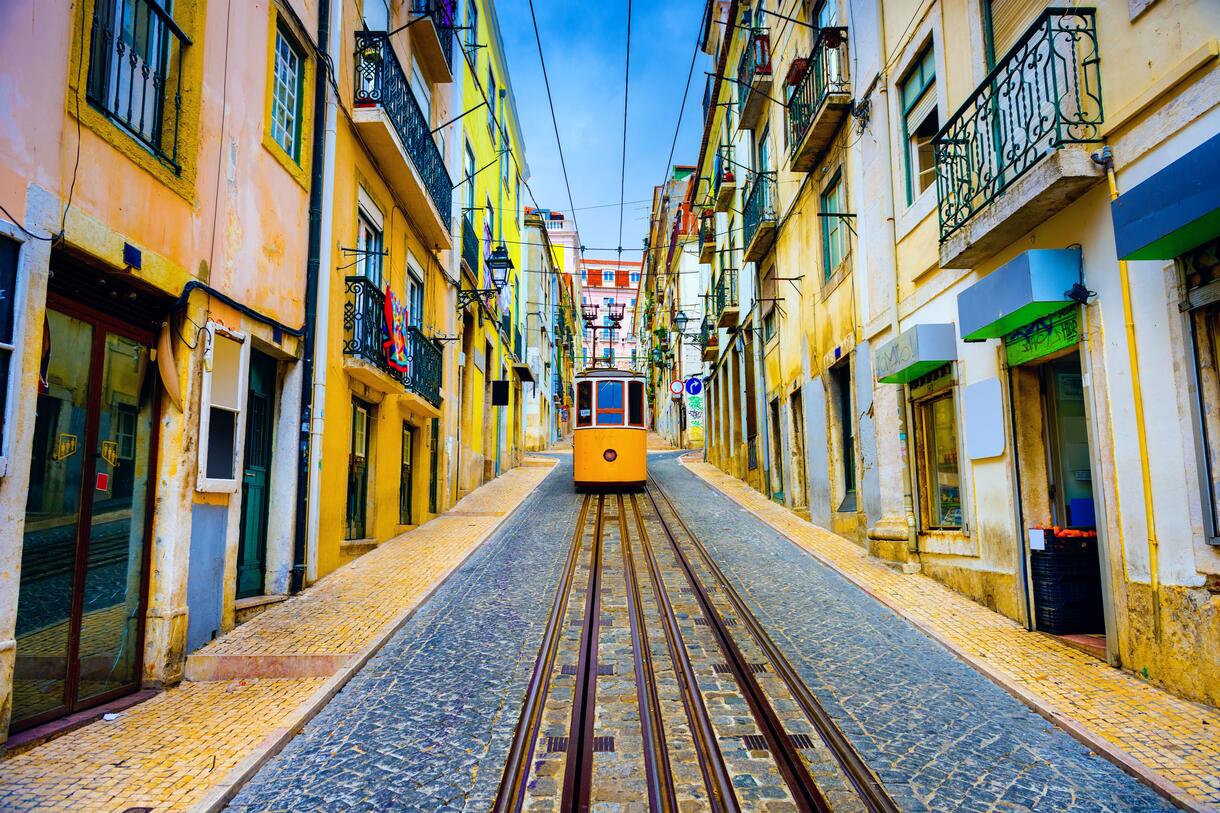
Portugal is making headlines in 2026 with two groundbreaking developments that are reshaping the country’s travel landscape. First, the government has unveiled a nationwide network of thermal shelters—air-conditioned public spaces equipped with cooling stations, hydration points, and medical aid—strategically placed in popular tourist hubs like Lisbon, Porto, the Algarve coast, and the Douro Valley. This initiative, announced in response to record-breaking heatwaves across Europe, aims to protect both visitors and residents during extreme temperature events. The shelters are integrated into existing municipal buildings, museums, and transport hubs, ensuring easy access. For travelers, this means peace of mind: even during the hottest summer days, you’ll have a safe, cool refuge within walking distance. The program is part of Portugal’s broader commitment to climate-resilient tourism, aligning with the European Union’s new travel safety guidelines.
Simultaneously, tourism in Portugal is experiencing a remarkable surge. According to recent reports from Reuters, flight and hotel bookings to Portugal and neighboring Spain have jumped significantly as travelers increasingly avoid destinations in the Middle East due to ongoing regional tensions. Portugal’s appeal—its stunning coastline, rich cultural heritage, world-class cuisine, and affordable luxury—has never been stronger. In 2026, the country expects to welcome over 30 million international visitors, a record high. Cities like Faro and Lisbon are seeing hotel occupancy rates above 85% in peak season, while boutique guesthouses in the Alentejo region are fully booked months in advance. This influx is boosting local economies but also placing pressure on infrastructure, which the new thermal shelter network helps alleviate by enhancing public safety and comfort.
A recent study published in Nature sheds light on a critical factor driving this tourism boom: information quality. Researchers found that tourists’ intentions to visit Portugal are strongly influenced by the clarity, accuracy, and trustworthiness of travel information available online. In an era of misinformation, Portugal’s proactive communication—through official tourism websites, real-time heat alerts, and transparent safety updates—builds traveler confidence. The study, which applied the heuristic-systematic model with the theory of planned behavior, reveals that well-structured, credible information reduces perceived risks and enhances the appeal of destinations. For Portugal, this means that investments in digital platforms and clear signage (including for thermal shelters) are paying off, as tourists feel informed and empowered to explore safely, even during extreme weather events.
For travelers planning a trip to Portugal in 2026, the combination of enhanced safety infrastructure and surging popularity creates both opportunities and considerations. The thermal shelters are a game-changer for summer visits: you can now explore the historic neighborhoods of Alfama in Lisbon or the cliffside trails of the Algarve knowing that a cool retreat is never far away. Meanwhile, the booking surge means you’ll need to plan ahead—flights and accommodations are filling up quickly, especially during the peak months of June through September. Off-season travel (spring and autumn) remains a delight, with milder temperatures and fewer crowds. Portugal’s train network, particularly the Alfa Pendular service connecting major cities, is also expanding its capacity to handle the influx. The country’s commitment to sustainable tourism ensures that growth doesn’t come at the expense of its natural beauty or cultural authenticity.
Practical tip: When visiting Portugal during summer 2026, download the official "Portugal Safe Travel" app for real-time alerts on thermal shelter locations, heatwave warnings, and crowd levels. Book your accommodation at least three months in advance, and consider traveling in shoulder seasons (April-May or September-October) for a more relaxed experience. Always carry a reusable water bottle—public hydration stations are now widely available at thermal shelters and tourist information points. Finally, respect local guidelines: if a heatwave alert is issued, head to the nearest shelter promptly. This small step ensures you enjoy Portugal’s legendary hospitality and stunning landscapes without compromising your safety or comfort.