Portugal 2026: Record Tourism and New Rules for Travelers
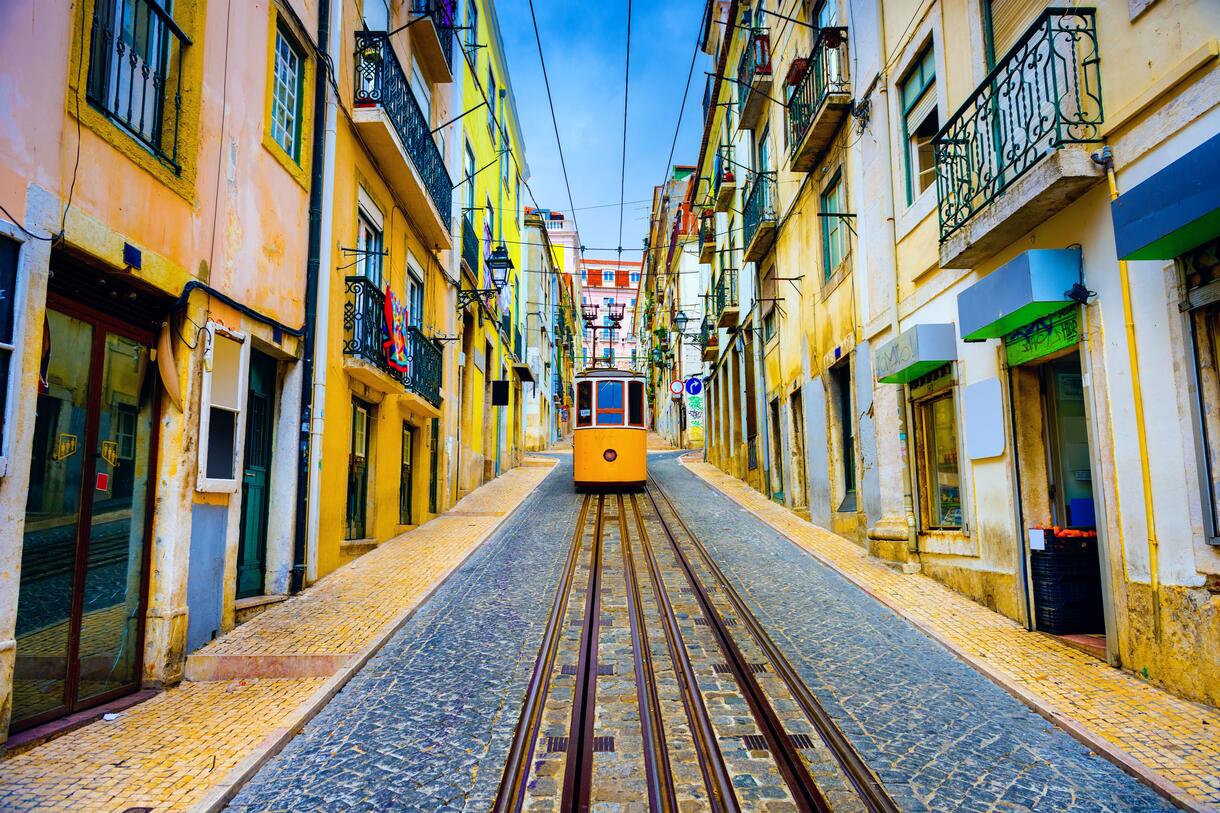
Portugal has officially shattered its foreign tourist arrival record in 2026, welcoming an unprecedented number of visitors drawn by its sun-drenched coasts, historic cities, and warm hospitality. According to recent reports, the country has seen a remarkable surge in international arrivals, surpassing all previous benchmarks. This milestone reflects Portugal's growing reputation as a safe, affordable, and culturally rich destination. From the cobblestone streets of Lisbon to the terraced vineyards of the Douro Valley, travelers are flocking to experience the country's unique blend of tradition and modernity. The record-breaking numbers are a testament to Portugal's successful tourism strategies, including improved air connectivity and targeted marketing campaigns that highlight its diverse attractions. For tourists, this means more vibrant cities, bustling beaches, and a lively atmosphere, though it also signals the need for advance planning to secure accommodations and popular experiences.
The surge in tourism is partly fueled by a shift in travel patterns, with many tourists avoiding the Middle East and turning to Southern Europe instead. Recent data from Reuters shows a significant jump in flight and hotel bookings for both Portugal and Spain, as travelers seek stability and familiarity amid global uncertainties. Portugal, in particular, benefits from its reputation as a peaceful, welcoming nation with excellent infrastructure. Airlines have responded by adding new routes and increasing frequencies, making it easier than ever to reach destinations like Porto, Faro, and the Azores. Hotels across the country are reporting near-full occupancy, especially in coastal areas and major cities. This trend is expected to continue through the peak summer season, so booking early is strongly advised. The influx also brings economic benefits to local communities, from family-run guesthouses to artisan shops, reinforcing tourism as a pillar of Portugal's economy.
In response to the growing number of visitors, Portugal has proposed new regulations for tuk-tuks and tourist transport, aiming to enhance safety and reduce congestion in popular areas. The proposed rules, covered by Travel And Tour World, include stricter licensing requirements, designated parking zones, and limits on the number of vehicles in historic districts. These measures are designed to protect both tourists and residents while preserving the charm of narrow, ancient streets. Tuk-tuks have become a beloved mode of transport for short city tours, but their proliferation has led to traffic jams and safety concerns in places like Lisbon's Alfama and Porto's Ribeira. The new regulations will likely require drivers to undergo training and adhere to noise and emission standards. For travelers, this means a more organized and enjoyable experience, with less chaos and better access to pedestrian-friendly zones. The proposals are currently under public consultation, with implementation expected later this year.
Beyond the headlines, Portugal continues to captivate with its timeless appeal—golden beaches, world-class wine, and a laid-back lifestyle that invites slow exploration. The Algarve remains a top draw for sun-seekers, while the less-crowded Alentejo coast offers pristine sands and quiet fishing villages. Inland, the Douro Valley dazzles with terraced vineyards and river cruises, and the Azores and Madeira provide dramatic volcanic landscapes and lush greenery. Culinary travelers can indulge in pastéis de nata, fresh seafood, and robust red wines, often at prices lower than in neighboring countries. Cultural highlights include the medieval castles of Sintra, the university town of Coimbra, and the vibrant festivals that fill the calendar year-round. With the tourism boom, many attractions now offer timed entry or require advance reservations, so planning ahead ensures you won't miss out. Whether you're a first-time visitor or a returning enthusiast, Portugal in 2026 promises unforgettable experiences.
Practical tip: Book flights and accommodations at least three months in advance for summer 2026, especially in Lisbon, Porto, and the Algarve. Consider visiting in shoulder seasons (April-May or September-October) for fewer crowds and lower prices.