Portugal 2026: Heat-Proof Travel with New Thermal Shelters
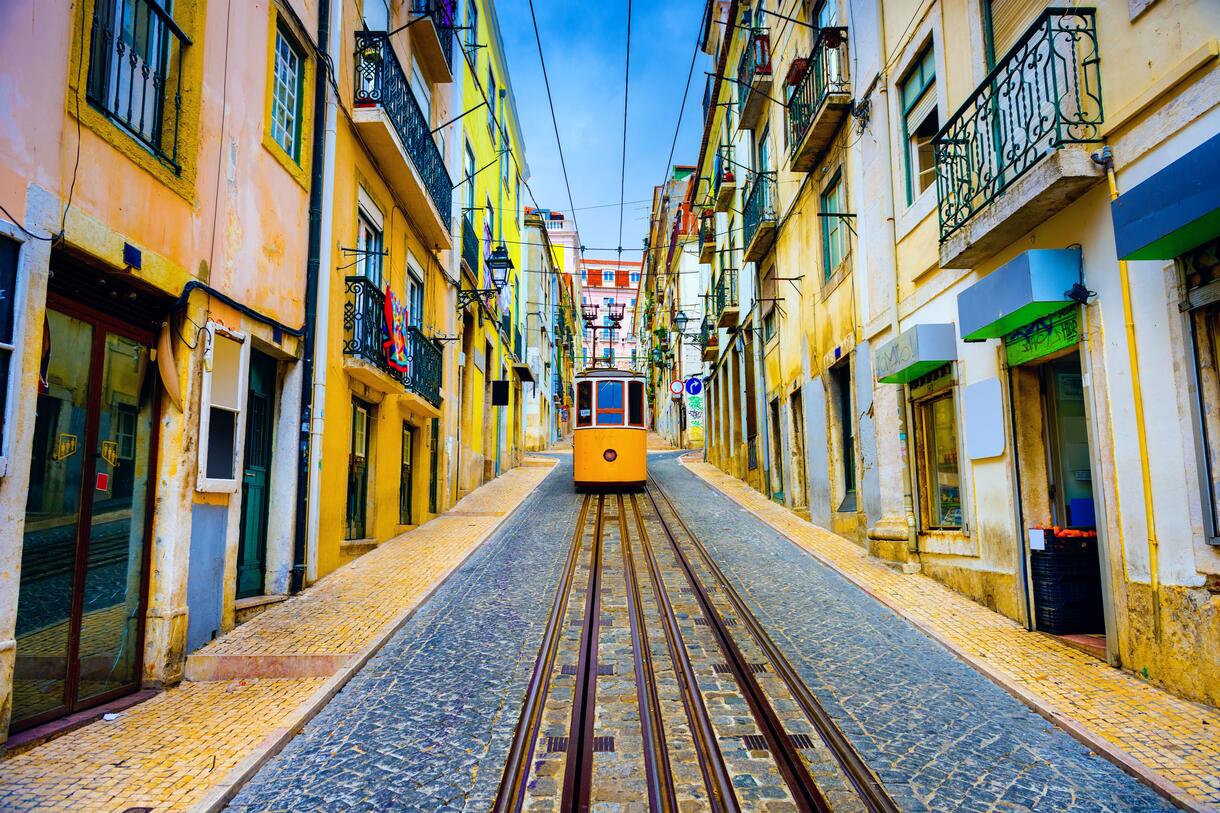
Portugal is setting a bold new standard for climate-resilient travel in 2026. Following a summer of record-breaking heat across Europe, the country has unveiled a nationwide network of thermal shelters — air-conditioned public spaces, shaded rest stops, and cooling centers — designed to protect both tourists and residents. This initiative, announced by the Portuguese Tourism Board, covers major cities like Lisbon, Porto, and Faro, as well as coastal hotspots and inland hiking trails. For travelers, this means peace of mind: no matter how high the mercury climbs, a cool refuge is never far away. The shelters are equipped with free water stations, seating, and real-time heat alerts, blending safety with the warm hospitality Portugal is famous for. It’s a game-changer for summer itineraries, especially for families and older visitors who are more vulnerable to heat stress.
The timing couldn’t be better. According to a recent Reuters report, flight and hotel bookings to Spain and Portugal have surged as tourists increasingly avoid travel to the Middle East. Portugal, in particular, is benefiting from a shift toward safer, more predictable destinations. The Algarve’s golden beaches, the Douro Valley’s terraced vineyards, and Lisbon’s hilltop miradouros are drawing record numbers of visitors. With the new thermal shelter network, Portugal is not just riding this wave — it’s actively addressing the biggest concern for summer travelers: extreme heat. The government has also invested in upgraded air conditioning at airports, train stations, and major attractions, ensuring a seamless and comfortable experience from arrival to departure.
But how do tourists decide to visit Portugal in the first place? A recent study published in Nature highlights that the quality of tourism information plays a crucial role. The research, which integrates the heuristic-systematic model with the theory of planned behavior, found that clear, trustworthy, and visually appealing information significantly boosts travelers’ intentions to visit. Portugal excels here: its official travel websites, social media campaigns, and on-the-ground signage are being revamped to include heat-safety tips, shelter locations, and real-time weather updates. This proactive communication builds confidence, especially for first-time visitors who may worry about navigating a heatwave abroad. In 2026, expect to see more QR codes at bus stops, multilingual cooling maps, and app-based alerts that make trip planning smarter and safer.
Beyond safety, Portugal’s commitment to sustainable tourism is another draw. The thermal shelters are powered partly by solar energy, and many are integrated into existing green spaces, such as parks and botanical gardens. The network also includes pop-up misting stations at popular festivals and outdoor markets, reducing the need for single-use plastic bottles. This aligns with Portugal’s broader goal of becoming carbon-neutral by 2050, a vision that resonates with eco-conscious travelers. Whether you’re hiking the Rota Vicentina, exploring the historic streets of Sintra, or relaxing on the beaches of Cascais, you’ll find that Portugal’s response to climate change is both innovative and welcoming. The country is proving that adaptation can enhance, not hinder, the travel experience.
Practical tip: Before heading out each day, download the official "Portugal Cool Spots" app to locate the nearest thermal shelter, check real-time temperature alerts, and find free water refill stations. This simple step ensures you stay safe and comfortable while exploring Portugal’s vibrant cities and stunning coastlines in 2026.