Netherlands 2026: 52M Overnight Stays and New Travel Rules for Tourists
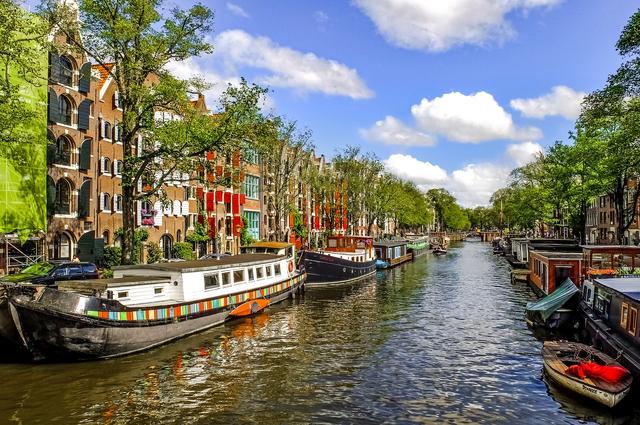
The Netherlands has emerged as a star player in Europe's tourism renaissance, with 2025 overnight stays soaring to an impressive 52 million, according to ETIAS.com. This milestone reflects the country's enduring appeal, from Amsterdam's iconic canals and world-class museums to the serene tulip fields and historic windmills of the countryside. The Dutch government has invested heavily in sustainable tourism infrastructure, including expanded bike lanes and smart ticketing systems, ensuring visitors can explore efficiently while minimizing environmental impact. For 2026, this momentum is expected to continue, with new flight routes and upgraded rail connections making the Netherlands more accessible than ever. Whether you're a first-time visitor or a seasoned traveler, the Netherlands offers a seamless blend of culture, nature, and innovation that keeps tourists coming back.
On the policy front, the Netherlands has joined a growing coalition of European nations calling for stricter controls on Russian tourist travel to the continent. As reported by NL Times, this move aligns with broader EU efforts to manage geopolitical tensions while maintaining open borders for other international visitors. For tourists from most countries, this means no changes—the Netherlands remains a welcoming destination with visa-free access for many nationalities under the Schengen Area. However, Russian passport holders will face additional scrutiny and potential restrictions. The Dutch government emphasizes that this measure is about security, not hospitality, and reassures travelers that the country's famed friendliness remains intact. Visitors can still expect warm welcomes at Amsterdam's Schiphol Airport, one of Europe's best-connected hubs.
A recent report from Travel And Tour World hailed Europe's tourism supremacy, with the Netherlands, Portugal, Austria, and Spain redefining global travel accessibility. The Netherlands stands out for its compact size and efficient public transport, making it easy to hop between cities like Utrecht, Rotterdam, and The Hague in under an hour. New digital tools, such as the updated 'Discover Holland' app, provide real-time crowd alerts and personalized itineraries, reducing wait times at popular attractions like the Anne Frank House and Keukenhof Gardens. Accessibility improvements also include enhanced facilities for travelers with disabilities, with more museums and train stations now fully wheelchair-friendly. For 2026, the country is piloting a 'Tourist Pass' that bundles museum entries, train rides, and bike rentals at a discounted rate, aiming to simplify travel and spread visitors across lesser-known regions.
The surge in overnight stays—up 12% from pre-pandemic levels—has sparked a wave of new accommodations and experiences. Boutique hotels in Rotterdam's trendy Witte de Withstraat and farm stays in Friesland are booking fast, so early reservations are key. Culinary tourism is also booming, with Michelin-starred restaurants like De Librije in Zwolle offering tasting menus that celebrate local produce, while street food markets in Amsterdam serve everything from stroopwafels to herring. For nature lovers, the Hoge Veluwe National Park has introduced guided e-bike tours through its heathlands and forests, and the Wadden Sea UNESCO site now offers seal-watching excursions. The Dutch tourism board is promoting 'slow travel' campaigns to encourage longer stays, highlighting hidden gems like the medieval city of Maastricht and the vibrant street art of Eindhoven.
Practical tip: Book your 2026 trip early, especially for spring tulip season (mid-March to early May), when Keukenhof and nearby hotels fill up months in advance. Consider visiting in autumn for fewer crowds, lower prices, and stunning fall foliage in the Veluwe region.