Netherlands in 2026: Smarter Travel, Richer Experiences in Amsterdam and Beyond
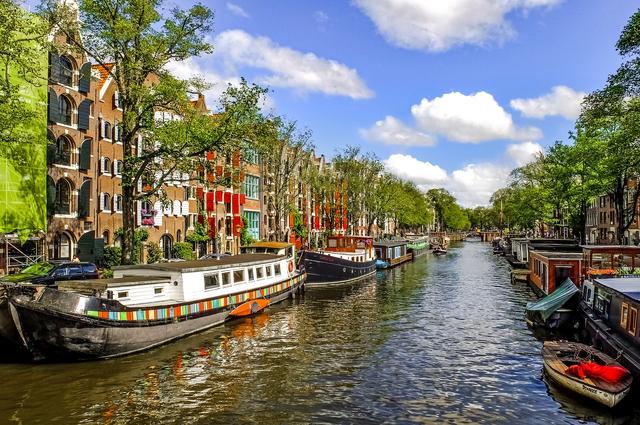
The Netherlands is entering a transformative era for tourism in 2026, with Amsterdam leading the charge toward a more sustainable and resident-friendly model. The city has announced plans to increase tourist contributions—such as higher daily visitor levies and accommodation taxes—while significantly reducing marketing efforts aimed at attracting more visitors. This strategic pivot is designed to protect the quality of life for locals and preserve the city’s iconic canals, historic streets, and cultural treasures from the pressures of overtourism. For travelers, this means a more relaxed, authentic Amsterdam experience with fewer selfie-stick jams and more room to breathe along the Prinsengracht. The move aligns with a broader national trend: the Dutch Tourism Board recorded 52 million overnight stays in 2025, a figure that confirms the country’s enduring appeal but also underscores the need for careful management. Visitors in 2026 can expect a city that prioritizes quality over quantity, with initiatives that encourage longer stays, off-peak visits, and deeper engagement with local neighborhoods beyond the Damrak.
Beyond Amsterdam, the Netherlands is doubling down on regional dispersal to spread tourism benefits more evenly. The government is promoting lesser-known gems like Maastricht’s medieval alleys, the Frisian Lakes’ sailing routes, and the UNESCO-listed Wadden Sea, where you can walk the mudflats at low tide. The 2026 strategy includes improved rail connections and bike-sharing programs that make it easier to explore the countryside, tulip fields, and windmill-dotted landscapes without adding to Amsterdam’s congestion. For example, the “HollandCity” initiative encourages tourists to base themselves in cities like Utrecht, Rotterdam, or The Hague, each offering distinct cultural scenes—from the futuristic Markthal to the Peace Palace—while still being just a short train ride from Amsterdam’s museums. This shift not only reduces pressure on the capital but also gives travelers a richer, more varied Dutch experience, with local businesses in smaller towns seeing a welcome boost. The message is clear: 2026 is the year to venture beyond the usual hotspots and discover the Netherlands’ quieter, equally enchanting corners.
Amsterdam’s new approach also includes practical measures that directly benefit visitors. The city is investing in better crowd management at major attractions like the Rijksmuseum, Anne Frank House, and Van Gogh Museum, with timed-entry slots expanding and digital queuing systems making waits more predictable. Additionally, a portion of the new tourist contributions will fund improved public restrooms, clearer signage, and multilingual information kiosks—small but impactful upgrades that enhance the travel experience. The city is also piloting a “Resident Recommends” program, where locals share their favorite hidden cafes, bookshops, and parks, steering tourists toward authentic experiences rather than overrun spots. For those concerned about costs, the higher levies are offset by the value of a less stressful, more immersive stay. Imagine sipping a locally brewed beer at a canal-side terrace without shouting over the crowd, or cycling through the Jordaan district with the ease of a resident. This is the Amsterdam that 2026 promises: vibrant, but not overwhelming.
On the geopolitical front, the Netherlands has joined a broader European call to curb Russian tourist travel to Europe, a move that adds a layer of regulatory nuance for travelers from affected regions. While this primarily impacts Russian passport holders, the decision reflects the country’s commitment to aligning tourism policy with broader security and solidarity frameworks. For the vast majority of international visitors—from the US, UK, Asia, and elsewhere—this change has no direct effect on entry requirements or visa processes. The Dutch remain famously welcoming, and the 2026 tourism strategy is explicitly designed to attract responsible travelers who respect local culture and contribute positively. The 52 million overnight stays recorded in 2025 demonstrate the Netherlands’ resilience as a top-tier destination, and the new policies aim to sustain that appeal for decades. Travelers should check the latest entry rules via the official Netherlands tourism website, but can otherwise look forward to a country that balances openness with thoughtful stewardship of its heritage and communities.
Practical tip: Book your Amsterdam museum tickets and accommodation at least two months in advance for 2026, as timed-entry slots and limited hotel capacity will fill quickly. Consider basing yourself in Haarlem or Leiden for lower rates and easy train access to the capital.