Netherlands in 2026: Higher Tourist Tax and New Travel Rules to Know
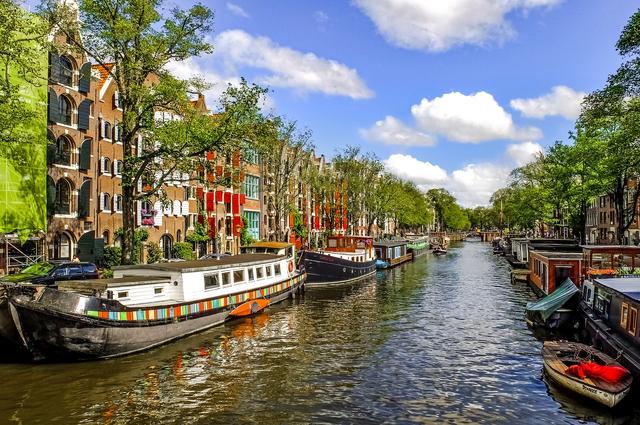
As the Netherlands gears up for 2026, travelers should prepare for significant changes that will reshape how they experience this beloved destination. Amsterdam, the vibrant capital known for its canals, museums, and liberal culture, has announced a dramatic increase in its tourist tax, climbing to a staggering 20 percent. This move, part of a broader tourism shake-up, is designed to manage overtourism and ensure that the city remains livable for residents while still welcoming visitors. Global travelers should expect higher accommodation costs, but the revenue will fund sustainable tourism initiatives, enhancing the overall experience for those who come to explore.
Alongside the tax hike, Amsterdam is reviewing the potential closure of its cruise port, a decision that could alter itineraries for thousands of cruise passengers. The port, a major gateway for European voyages, has been a point of contention due to its environmental impact and the influx of day-trippers who strain local infrastructure. If approved, this change would redirect cruise ships to nearby ports like Rotterdam or IJmuiden, requiring travelers to adjust their plans. However, this shift aligns with the city’s push for more responsible tourism, focusing on quality over quantity and encouraging longer, more immersive stays.
Despite these adjustments, Dutch tourism continues to thrive, with a record 52 million overnight stays recorded in 2025 according to recent reports. This surge highlights the enduring appeal of the Netherlands, from the tulip fields of Keukenhof to the historic streets of Utrecht and the artistic treasures of the Rijksmuseum. The government is investing in improved transport links and digital tools to help visitors navigate the country more efficiently, ensuring that even with higher taxes, the experience remains world-class. Travelers can expect smoother connections between cities and more curated cultural events.
In a related development, the Netherlands has joined a European call to curb Russian tourist travel to the continent, citing geopolitical tensions and security concerns. This policy may affect visa processes and entry requirements for Russian nationals, but for most global tourists, it has little direct impact. The focus remains on welcoming travelers from all over the world while maintaining safety and sustainability. As part of this effort, the Dutch government is promoting lesser-known destinations like Groningen and Maastricht to disperse tourist crowds and offer authentic local experiences.
Practical tip: Book accommodations well in advance to offset the 20% tourist tax impact, and consider staying outside Amsterdam in cities like Haarlem or The Hague, which offer easy train access to the capital and lower tax rates.