Netherlands 2026 Travel Update: New Taxes and What Tourists Need to Know
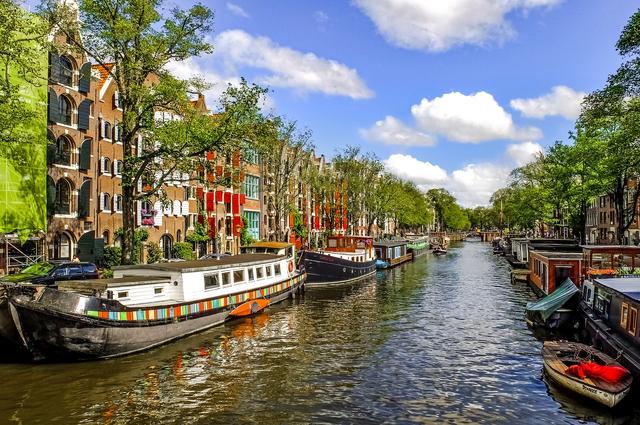
Planning a trip to the Netherlands in 2026? Get ready for some significant changes that will reshape how you experience this enchanting country. Amsterdam, the vibrant capital known for its canals, tulips, and world-class museums, has announced a major tourism shake-up. The city’s tourist tax is set to climb to a staggering twenty percent, making it one of the highest in Europe. This increase aims to manage overtourism and generate revenue for sustainable initiatives, ensuring that the city remains livable for locals while still welcoming visitors. Additionally, the iconic cruise port is under review for possible closure, which could alter itineraries for sea travelers. Despite these shifts, the Netherlands remains a top destination, with Dutch tourism hitting a record 52 million overnight stays in 2025, reflecting its enduring appeal. For global travelers, understanding these changes is key to planning a smooth and enjoyable journey.
The proposed twenty percent tourist tax in Amsterdam is a game-changer for budget-conscious travelers. Currently, the tax is around seven percent, so this increase will significantly raise the cost of accommodations. For example, a €200-per-night hotel room could incur an additional €40 in taxes. This move is part of a broader strategy to curb the negative impacts of mass tourism, such as overcrowding in the city center and strain on infrastructure. The revenue will fund projects like green spaces, affordable housing, and cultural preservation. While this might seem steep, it aligns with Amsterdam’s commitment to quality over quantity, encouraging visitors to explore lesser-known neighborhoods and attractions. As a traveler, you can offset costs by booking early, considering alternative accommodations like vacation rentals (which may have different tax rates), or planning shorter stays. Remember, the tax applies to all visitors, so factor it into your budget from the start.
Another major development is the potential closure of Amsterdam’s cruise port, a hub for river and ocean cruises. The city is reviewing the port’s operations due to environmental concerns and the desire to reduce tourist congestion. If implemented, this could mean fewer cruise ships docking in the heart of Amsterdam, redirecting them to nearby ports like Rotterdam or IJmuiden. For cruise passengers, this might add a transfer time of 30 to 60 minutes to reach the city center. However, it also offers a chance to discover other Dutch gems along the way. The Netherlands is small and well-connected by trains and buses, so alternative routes are convenient. This shift reflects a global trend toward sustainable tourism, where destinations prioritize long-term health over short-term gains. Travelers should stay updated on official announcements and consider flexible itineraries. Despite the uncertainty, the Dutch tourism industry remains robust, with record overnight stays proving that the country’s charm is undiminished.
The record 52 million overnight stays in 2025 highlight the Netherlands’ resilience and popularity. This milestone was driven by a mix of international visitors and domestic travelers, with major cities like Amsterdam, Rotterdam, and Utrecht seeing high occupancy rates. The Dutch government has been proactive in promoting regional tourism, encouraging visitors to explore beyond the capital. Think of the windmills in Kinderdijk, the historic canals of Giethoorn, or the vibrant art scene in The Hague. These destinations offer authentic experiences without the crowds. The increase in overnight stays also reflects improved infrastructure, including expanded bike lanes and more sustainable transport options. For tourists, this means more opportunities to immerse themselves in local culture, from cheese markets to flower fields. As you plan your 2026 trip, consider staying in smaller towns or using the excellent train network to hop between cities. This not only enriches your journey but also supports the country’s efforts to distribute tourism benefits more evenly.
Practical tip: Book accommodations and tickets early to secure better rates and availability, especially for Amsterdam. Consider staying in nearby cities like Haarlem or Leiden, which offer easy train access to the capital and lower tourist taxes. Always check the latest tax rates and port updates on official tourism websites before traveling.