Netherlands 2026 Travel Update: Amsterdam Tax Hike and Safety Advice
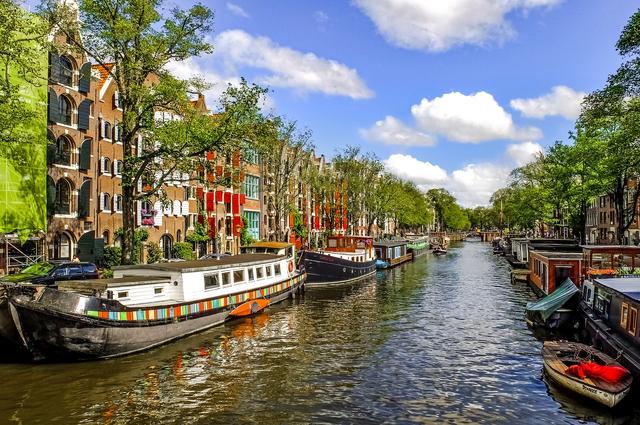
As one of Europe’s most beloved destinations, the Netherlands is rolling out significant changes that will reshape the travel landscape by 2026. Amsterdam, in particular, is making headlines with a proposed tourist tax increase to a staggering 20 percent on accommodation, alongside a serious review of its cruise port operations. While these measures may sound daunting, they reflect the city’s commitment to managing overtourism and preserving the charm that draws millions of visitors each year. For global travelers, understanding these shifts early means you can plan smarter, budget accordingly, and still enjoy everything from the iconic canals to the vibrant tulip fields without unpleasant surprises.
The proposed 20 percent tourist tax—one of the highest in the world—will apply to hotel stays, short-term rentals, and possibly other visitor services. This is a substantial jump from the current 12.5 percent rate, and it signals Amsterdam’s determination to curb the influx of budget-conscious tourists who contribute little to the local economy while straining infrastructure. Additionally, the city is reviewing a potential closure of its central cruise terminal, which would redirect the thousands of day-trippers who currently flood the historic center. For travelers, this means that a trip to Amsterdam in 2026 may be more expensive, but it also promises a less crowded, more authentic experience if you choose to stay longer and explore beyond the usual hotspots.
On the safety front, recent reports from U.S. authorities advise extra vigilance in the Netherlands, citing “explosive incidents” targeting tourist sites—though the country remains one of the world’s safest destinations overall. The warning, issued alongside similar alerts for other European nations, is largely precautionary and stems from isolated events rather than a widespread threat. Travelers are encouraged to stay aware of their surroundings, especially in busy areas like Amsterdam’s Dam Square or the Red Light District, and to follow local news. The Dutch government has robust security measures in place, and millions of tourists visit without incident each year, so there’s no need for alarm—just common-sense caution.
In a broader European context, the Netherlands has also joined a coalition of EU nations calling for stricter restrictions on Russian tourist travel to Europe. This policy shift, driven by ongoing geopolitical tensions, aims to limit leisure travel from Russia while maintaining avenues for humanitarian and family visits. For non-Russian travelers, this change will have little direct impact on their own plans, but it underscores the Netherlands’ active role in EU-wide border policies. If you are a passport holder from a non-EU country, it’s always wise to double-check visa requirements and entry rules before booking, as regulations can evolve rapidly in response to global events.
Practical tip: Book your Amsterdam accommodation early to lock in current rates before the 2026 tax hike takes full effect, and consider staying in nearby cities like Haarlem or Utrecht for lower costs and easy train access to the capital. Also, check your travel insurance covers any trip disruptions related to policy changes.