Netherlands in 2026: Dutch Culture, Tourism Trends & Travel Tips
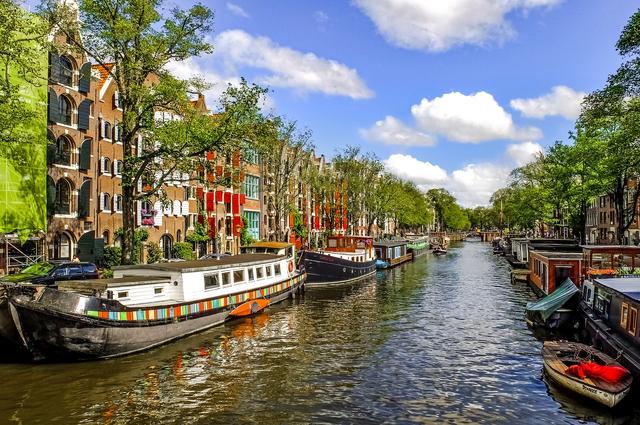
The Netherlands is poised for another vibrant year in 2026, with tourism numbers soaring and cultural treasures drawing global attention. Recent reports confirm that Dutch tourism hit a record 52 million overnight stays in 2025, signaling a robust recovery and growing interest in this compact, bike-friendly nation. From the iconic canals of Amsterdam to the windmills of Kinderdijk, travelers are flocking to experience authentic Dutch heritage. However, this popularity brings both opportunities and challenges, especially in beloved spots like Volendam, where traditional fishing village charm meets the realities of mass tourism. For the savvy traveler, 2026 offers a chance to explore beyond the crowds and discover the Netherlands' quieter, equally enchanting corners.
Volendam, a picturesque village on the Markermeer lake, remains a must-see for its historic wooden houses, colorful harbor, and living traditions like wearing traditional Dutch costumes. Yet recent discussions in travel media have labeled parts of Volendam as a potential "tourist trap," sparking debate about how to balance preservation with visitor experience. The good news is that Volendam's local community is actively working to maintain authenticity—think small-scale cheese farms, family-run seafood restaurants, and guided walks that reveal stories behind the facades. By visiting during weekdays or off-peak hours, you can enjoy the village's photogenic streets without feeling rushed, and even take a ferry to the serene island of Marken for a more tranquil slice of Dutch life.
Beyond Volendam, the Netherlands offers a wealth of experiences that reward those who venture off the beaten path. In 2026, the country's efficient train network makes it easy to hop between cities like Utrecht, with its vibrant canals and Dom Tower, or Rotterdam, a hub of modern architecture and cutting-edge food markets. Nature lovers will appreciate the Hoge Veluwe National Park, home to free-roaming wildlife and the Kröller-Müller Museum, while history enthusiasts can explore the Anne Frank House and the poignant war sites of Arnhem. With 52 million overnight stays recorded, infrastructure improvements are underway, including expanded bike lanes and sustainable hotel initiatives, ensuring a smooth and eco-friendly journey for every visitor.
A significant development for 2026 is the Netherlands' involvement in new EU regulations aimed at curbing Russian tourist travel to Europe, as reported by NL Times. This move aligns with broader European efforts to manage tourism flows responsibly and maintain safety across borders. For travelers from other nations, this means continued ease of access via the Schengen Area, with the upcoming ETIAS system streamlining entry for visa-exempt visitors. While the Dutch tourism board encourages exploration, they also emphasize respect for local communities—something that resonates with the growing trend of mindful travel. Whether you're sipping craft beer in a Leiden bruin café or cycling through tulip fields in spring, you'll find a nation that welcomes you with open arms and a progressive spirit.
Practical tip: Book your accommodations and museum tickets at least three months in advance, especially for spring tulip season and Amsterdam's peak months (April–October). Consider staying in smaller cities like Haarlem or Delft for lower prices and a more local vibe, then take short train rides into major attractions. This strategy saves money and lets you experience the Netherlands like a true insider.