Netherlands 2026: Safe, Rich Heritage & Record Tourism Boom
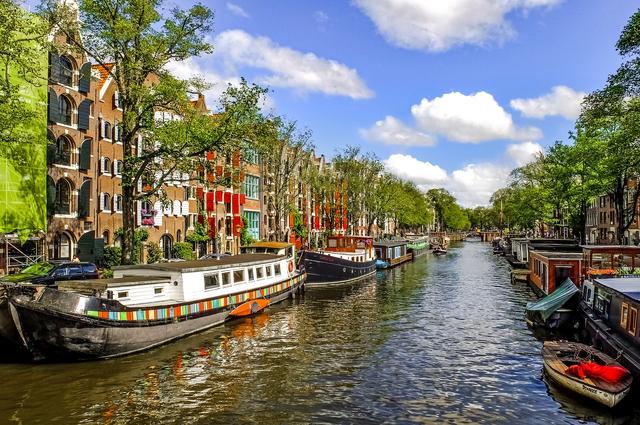
The Netherlands has cemented its status as Europe’s safest travel destination for 2026, overtaking Finland, Sweden, Czechia, Belgium, and Estonia in the latest rankings. This accolade, combined with a record-breaking 52 million overnight stays in 2025, signals a profound shift in global tourism toward secure, well-connected, and heritage-rich urban experiences. Travelers are increasingly prioritizing destinations that offer both peace of mind and cultural depth, and the Netherlands delivers on all fronts. From the iconic canals of Amsterdam to the historic streets of Utrecht and Maastricht, the country’s compact size and efficient public transport make it easy to explore multiple cities in a single trip. The government’s sustained investment in smart tourism infrastructure—including real-time crowd management and digital guides—ensures that even popular sites remain enjoyable without overwhelming crowds.
While Amsterdam remains a magnetic draw, savvy travelers are discovering that the Netherlands’ true charm lies in its lesser-known gems. Cities like Delft, with its blue-and-white pottery and serene canals, and Haarlem, a vibrant hub of art and gastronomy just 15 minutes by train from Amsterdam, offer an authentic Dutch experience without the tourist crush. The Dutch Tourism Board has actively promoted regional dispersal, encouraging visitors to explore the Wadden Islands, the Hoge Veluwe National Park, and the UNESCO-listed Kinderdijk windmills. This strategy not only alleviates pressure on Amsterdam but also enriches the traveler’s journey with diverse landscapes—from tulip fields in spring to cosy winter markets. For history enthusiasts, the Anne Frank House and Rijksmuseum remain essential, but booking in advance is now easier thanks to expanded timed-entry slots.
The safety ranking is a game-changer for families and solo travelers alike. The Netherlands boasts low crime rates, excellent healthcare, and a transport network that operates with clockwork precision. Trains, trams, and ferries are clean, punctual, and equipped with real-time updates in English, making navigation a breeze. Cyclists will find over 35,000 kilometers of dedicated bike paths, many illuminated and well-maintained, offering a healthy and eco-friendly way to explore. The Dutch also lead in digital connectivity: free public Wi-Fi is common in train stations and city centers, and mobile apps provide instant access to maps, restaurant reviews, and emergency contacts. For those worried about language barriers, nearly all Dutch citizens speak fluent English, and signage is consistently bilingual.
Culinary travelers will find the Netherlands evolving beyond stroopwafels and bitterballen. A new wave of farm-to-table restaurants, craft breweries, and specialty coffee shops has emerged, particularly in Rotterdam and The Hague. The country’s multicultural heritage shines in its food scene—Indonesian rijsttafel, Surinamese roti, and Middle Eastern mezze are as common as traditional Dutch pancakes. Meanwhile, the 2026 European Capital of Culture bid has sparked a flurry of festivals, art installations, and open-air concerts across the country. The ETIAS travel authorization, expected to be fully operational by 2026, will streamline entry for non-EU visitors, adding another layer of convenience. Whether you’re sailing the canals of Giethoorn, exploring the Cube Houses in Rotterdam, or cycling through the Keukenhof gardens, the Netherlands promises a seamless, enriching journey.
Practical tip: Always carry a contactless payment card—most Dutch establishments, including market stalls and public toilets, no longer accept cash. For the best tulip-viewing experience, visit mid-April to early May, but book train tickets and accommodation at least two months in advance to secure the best rates and avoid sold-out dates.