Netherlands 2026: 52M Overnight Stays & Smart Travel Tips
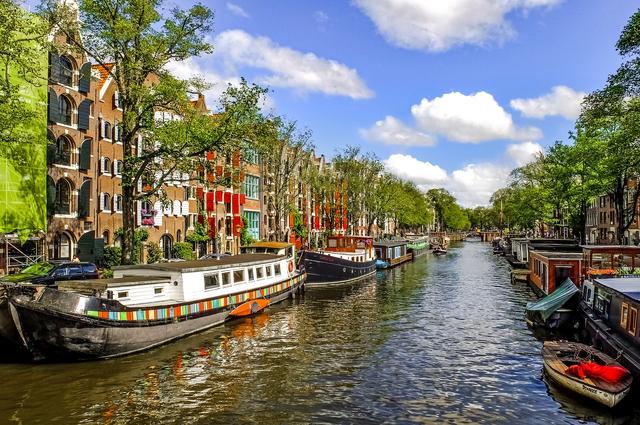
The Netherlands has reached a remarkable milestone, recording 52 million overnight stays in 2025, according to recent data from ETIAS.com. This surge in tourism reflects the country's enduring appeal, from Amsterdam's iconic canals and world-class museums to the serene tulip fields and windmills of the countryside. The Dutch government is preparing for even greater numbers in 2026, with enhanced infrastructure and sustainable travel initiatives to manage the influx. For travelers, this means more options for accommodation, transport, and curated experiences that balance popularity with authenticity. Whether you're a first-time visitor or a returning explorer, the Netherlands offers a seamless blend of history, art, and modern innovation that keeps drawing global crowds.
However, not every popular destination lives up to the hype. Travel expert Rick Steves recently called out a specific tourist trap in the Netherlands, describing it as a mix of 'Killarney with Coney Island' — a place that feels overly commercialized and crowded without delivering genuine local charm. While Steves didn't name the spot directly, seasoned travelers suspect it refers to the overdeveloped areas of Volendam or Marken, where souvenir shops and staged photo ops overshadow authentic Dutch culture. To avoid such experiences, venture beyond the obvious: explore lesser-known gems like Utrecht's wharf cellars, the peaceful village of Giethoorn (early morning), or the art-filled city of Haarlem, just 15 minutes from Amsterdam by train.
In a significant policy shift, the Netherlands has joined other European nations in calling for stricter controls on Russian tourist travel to Europe, as reported by NL Times. This move, part of broader sanctions related to geopolitical tensions, aims to limit the flow of Russian tourists into the Schengen Area. For other international visitors, this means smoother processing at borders and less competition for popular attractions. The Dutch government assures that the change will not affect travelers from the US, Canada, Australia, or most Asian and Latin American countries. As always, ensure your passport is valid for at least six months beyond your stay, and check ETIAS requirements if you're from a visa-waiver country — the system is expected to be fully operational by mid-2026.
With record numbers of visitors, planning ahead is more crucial than ever. The best times to visit are April–May for tulip season (though crowded) or September–October for mild weather and fewer tourists. Book key attractions like the Anne Frank House and Van Gogh Museum at least two months in advance, and consider purchasing a Holland Pass for discounts on museums and transport. For a sustainable trip, use the excellent train network (NS) and rent bikes — the Netherlands has over 35,000 km of cycling paths. Accommodations range from houseboats in Amsterdam to boutique hotels in Rotterdam's trendy Witte de Withstraat. Local foodies shouldn't miss herring from a street stall, stroopwafels fresh from a market, and a bitterballen snack with a local craft beer.
Practical tip: Book your 2026 trip early — especially for tulip season (mid-April to early May) — as hotel prices surge and popular sites sell out weeks in advance. Use the NS train app for real-time schedules and consider a multi-day OV-chipkaart for unlimited travel. Always carry a reusable water bottle; tap water in the Netherlands is among the purest in Europe. For a quieter, more authentic experience, base yourself in a smaller city like Delft or Leiden instead of Amsterdam, and take day trips by train — most destinations are under an hour away.