Netherlands in 2026: Record Tourism, Safety Tips, and Hidden Gems
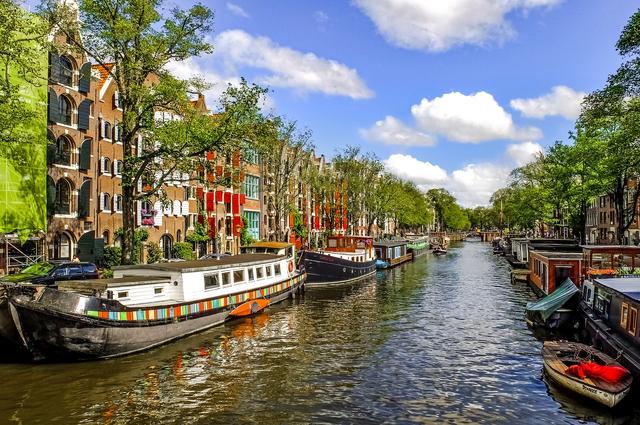
The Netherlands has shattered its own tourism records, with 52 million overnight stays recorded in 2025, according to recent data from ETIAS.com. This milestone underscores the country's enduring appeal, from the tulip fields of Keukenhof to the canal-lined streets of Amsterdam. For 2026, travelers can expect even more vibrant cultural festivals, improved cycling infrastructure, and expanded museum hours to accommodate the influx. While the surge in visitors brings economic benefits, it also means popular spots like the Anne Frank House and Van Gogh Museum require advance bookings weeks in advance. The Dutch tourism board is promoting lesser-known provinces such as Drenthe and Zeeland to disperse crowds and offer authentic local experiences. Whether you're a first-time visitor or a seasoned Europe traveler, the Netherlands promises a blend of history, innovation, and warm hospitality that keeps people coming back.
Travel expert Rick Steves recently described a popular Dutch attraction as a mix of 'Killarney with Coney Island,' calling it a tourist trap that savvy travelers should approach with caution. While he didn't name the spot explicitly, many speculate he refers to Madurodam or the over-commercialized areas of Volendam and Marken. Steves advises skipping these crowded, overpriced venues in favor of authentic alternatives like Utrecht's canals, the peaceful village of Giethoorn (without the peak-hour chaos), or the vibrant street art scene in Rotterdam. The key is to balance iconic sights with off-the-beaten-path discoveries. For instance, instead of queuing for a windmill photo op at Zaanse Schans, consider visiting the Kinderdijk windmills early in the morning or exploring the lesser-known windmill network at Schiedam. These choices not only save time and money but also offer a deeper connection to Dutch culture.
Despite being ranked among the world's safest destinations, the Netherlands has seen a rise in 'explosive incidents' targeting tourist sites, as reported by TheTravel. US travelers, in particular, are urged to remain extra vigilant in crowded areas such as Amsterdam's Dam Square, Central Station, and the Red Light District. Local authorities have increased police presence and surveillance, but petty theft and bag snatching remain common in tourist hotspots. The Dutch police recommend using anti-theft bags, keeping valuables out of sight, and avoiding poorly lit streets at night. For those exploring beyond Amsterdam, cities like The Hague and Eindhoven have seen similar advisories. However, this should not deter visitors—the Netherlands is still exceptionally safe compared to many global destinations. Simply stay aware of your surroundings, follow local news, and register with your embassy for travel alerts. Common sense goes a long way in ensuring a trouble-free trip.
For 2026, the Netherlands is rolling out several initiatives to enhance the tourist experience while managing overcrowding. The 'Visit Holland' campaign now highlights regional treasures like the Hoge Veluwe National Park, the historic Hanseatic towns of Zwolle and Deventer, and the Frisian Lakes for water sports enthusiasts. Amsterdam is introducing timed entry to its most famous museums and limiting river cruise moorings in the city center to reduce congestion. Meanwhile, sustainable travel is a growing focus: many hotels are adopting green certifications, and the train network (NS) is expanding its international connections, making it easier to arrive from neighboring countries without a car. Cyclists will appreciate the new long-distance cycle routes, including a 400-kilometer path linking all 12 provinces. These changes aim to preserve the Netherlands' charm while accommodating the record 52 million overnight stays projected for 2025 and beyond.
Practical tip: Book your accommodation and major attractions at least two months in advance for summer 2026, especially if you plan to visit Amsterdam, Keukenhof, or the tulip region. Use the NS Dutch Railways app for real-time train schedules and consider an OV-chipkaart for seamless travel on trams, buses, and metros. For emergency assistance, dial 112 and save the US Embassy in The Hague's contact number: +31 70 310 2209. Stay informed via local news outlets like NL Times or the Dutch government's travel advisories. Finally, pack a reusable water bottle and a rain jacket—the weather can change quickly, but the hospitality never does.