Netherlands 2026 Travel Guide: Navigating the New Tourism Landscape
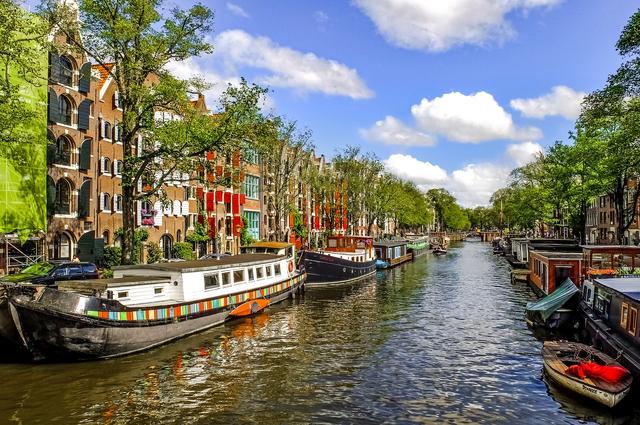
The Netherlands is experiencing a transformative moment in its tourism story, with 2025 data showing 52 million overnight stays—a record that signals both the country's enduring appeal and the pressing need for thoughtful travel management. As part of a broader European trend, the Dutch government has aligned with Portugal, Greece, Italy, and Spain to address overtourism, implementing visitor clampdowns in hotspots like Amsterdam. For travelers, this means a shift toward quality over quantity: cities are encouraging longer stays, off-peak visits, and exploration of lesser-known regions. The message is clear—come, but come responsibly, and you'll be rewarded with an even richer experience of the Netherlands' canals, tulip fields, and vibrant culture.
Amsterdam, the crown jewel of Dutch tourism, is at the forefront of these changes. The city has introduced measures to manage crowds, including restrictions on short-term rentals like Airbnb in the historic center, a cruise ship cap, and campaigns to disperse visitors across the year. This isn't about keeping tourists out; it's about preserving the charm that makes Amsterdam special. Imagine strolling along the Prinsengracht without shoulder-to-shoulder crowds, or enjoying the Rijksmuseum at a leisurely pace. The city's efforts are already showing promise, with a more balanced flow of visitors and a renewed focus on local life. For tourists, this means planning ahead is more important than ever—book museum tickets in advance, consider visiting in shoulder seasons like late spring or early autumn, and explore neighborhoods beyond the Damrak.
Beyond Amsterdam, the Netherlands offers a treasure trove of destinations that are eager to welcome travelers. Cities like Utrecht, Rotterdam, and Maastricht are stepping into the spotlight with their own unique attractions—from Utrecht's medieval canals and vibrant café culture to Rotterdam's cutting-edge architecture and food scene. The Dutch countryside, with its iconic windmills at Kinderdijk, the Keukenhof gardens (open for a limited season), and the Wadden Sea UNESCO site, provides serene alternatives to the bustling capital. Rick Steves, the beloved travel guru, recently described one popular spot as a mix of 'Killarney with Coney Island'—a tongue-in-cheek warning to avoid overhyped tourist traps. Instead, he recommends seeking out authentic experiences, like cycling through the Hoge Veluwe National Park or exploring the Frisian Lakes by boat.
The Dutch tourism boom is also driving innovation in sustainable travel. The Netherlands is investing heavily in green infrastructure—think electric ferries in Amsterdam, expanded bike lanes nationwide, and train connections that make it easy to skip rental cars. The government’s 'Visit Netherlands' strategy emphasizes quality tourism, encouraging visitors to stay longer and spend more per day while reducing environmental impact. For example, the 'I Amsterdam' city card now includes discounts for eco-friendly accommodations and tours. Meanwhile, the ETIAS travel authorization system, set to be fully operational by 2026, will streamline entry for visa-exempt travelers while enhancing security. These changes aim to ensure that the Netherlands remains a welcoming destination for generations to come, balancing economic benefits with the well-being of its residents and landscapes.
Practical tip: To make the most of your 2026 trip, book accommodations and major attractions at least two months in advance, especially for Amsterdam and Keukenhof. Use the NS Dutch Railways app for seamless train travel, and rent a bike to explore like a local—just remember to lock it securely. Avoid peak summer weeks and consider visiting in May or September for milder weather and fewer crowds.