Netherlands 2026 Travel Guide: Navigating Overtourism with Smart Tips
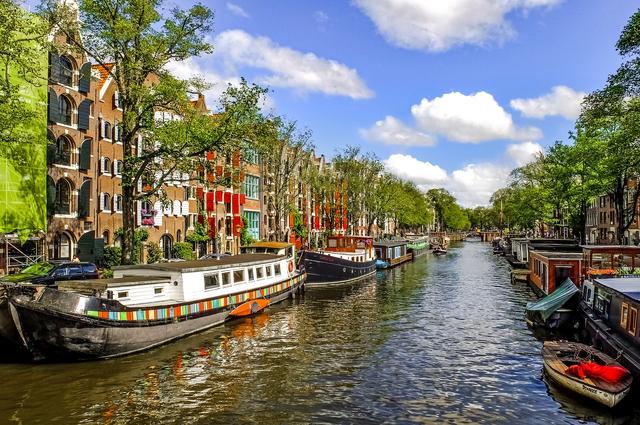
The Netherlands is experiencing a pivotal moment in its tourism story. In 2025, the country recorded an impressive 52 million overnight stays, a figure that underscores its enduring appeal among global travelers. From the iconic canals of Amsterdam to the tulip fields of Keukenhof and the historic windmills of Kinderdijk, the Dutch landscape offers a rich tapestry of culture, nature, and innovation. However, this surge in visitation has prompted the government to align with other European hotspots like Portugal, Greece, Italy, and Spain in addressing overtourism. New measures are being introduced to ensure that the beauty and livability of Dutch cities and regions are preserved for both residents and future visitors. For travelers planning a trip in 2026, understanding these changes is key to experiencing the Netherlands at its best.
One of the most significant shifts involves visitor management in Amsterdam, which has long been a magnet for tourists. The city is implementing stricter regulations on short-term rentals, including platforms like Airbnb, to curb the strain on housing and public spaces. Additionally, popular attractions such as the Anne Frank House and the Rijksmuseum are adopting timed entry systems to spread visitor flow throughout the day. Outside the capital, regions like Zaanse Schans and Giethoorn are also seeing new guidelines to prevent overcrowding. These efforts mirror clampdowns seen in Barcelona and Santorini, but the Dutch approach emphasizes balance—encouraging longer stays and off-peak visits rather than simply limiting numbers. For tourists, this means planning ahead becomes more important than ever.
Despite these challenges, the Netherlands remains a dream destination for 2026, especially for those willing to explore beyond the well-trodden paths. Consider visiting lesser-known gems like the vibrant city of Utrecht, with its charming canals and Dom Tower, or the serene Hoge Veluwe National Park, where you can cycle through heathlands and spot wildlife. The Dutch railway system makes it easy to hop between cities, and many smaller towns offer authentic experiences without the crowds. Foodies will delight in the rise of farm-to-table dining in regions like Limburg, while art lovers can discover modern masterpieces at the Van Abbemuseum in Eindhoven. By diversifying your itinerary, you not only reduce pressure on hotspots but also uncover the Netherlands’ quieter, equally enchanting side.
The tourism industry is responding proactively to the overtourism challenge, with companies like TUI and local operators promoting sustainable travel packages. These include guided tours that focus on eco-friendly practices, such as using electric boats in Amsterdam’s canals and supporting community-based accommodations in rural areas. The Dutch government is also investing in digital tools to help travelers find real-time crowd data and alternative routes. For example, the ‘Visit Netherlands’ app now highlights less-visited museums, parks, and events, empowering tourists to make informed choices. This collaborative effort between authorities, businesses, and visitors is setting a positive precedent for how popular destinations can thrive without sacrificing their soul. As a traveler, you become part of this solution by embracing slow travel and respecting local customs.
Practical tip: To avoid crowds in 2026, book key attractions like the Anne Frank House or Keukenhof Gardens at least two months in advance. Consider visiting Amsterdam in shoulder seasons—April or September—when weather is pleasant but tourist numbers are lower. Use the NS train app for real-time updates and explore smaller cities like Delft or Haarlem for authentic Dutch charm without the queues. Always check local regulations on short-term rentals before booking accommodation.