Netherlands 2026 Travel Boom: 52M Stays and New Rules
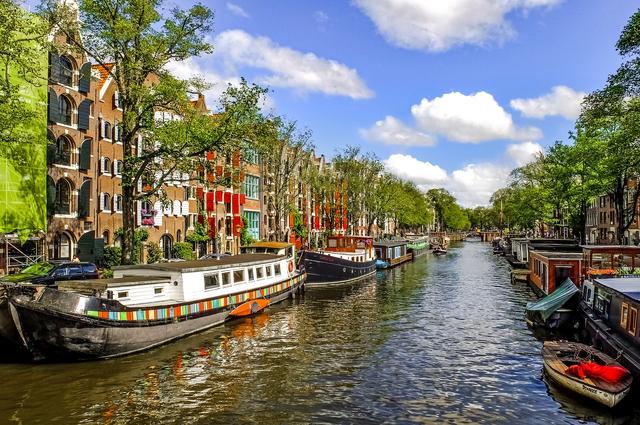
The Netherlands is experiencing an unprecedented tourism surge in 2026, with official figures from ETIAS.com confirming a record 52 million overnight stays nationwide. This milestone reflects the country’s enduring appeal, from Amsterdam’s iconic canals and world-class museums to the tulip fields of Keukenhof and the vibrant port city of Rotterdam. Travelers are flocking to lesser-known gems like Utrecht’s medieval center, the windmills of Kinderdijk, and the Wadden Sea islands. The growth is driven by improved rail connections, sustainable travel initiatives, and a renewed focus on spreading visitors across regions to reduce overcrowding in hotspots. Whether you’re a first-time visitor or a returning explorer, the Netherlands in 2026 offers a rich tapestry of culture, nature, and innovation.
Amsterdam remains a top draw, but the city has introduced smart crowd-management measures including timed entry for the Rijksmuseum and Van Gogh Museum, plus expanded bike-sharing programs. Beyond the capital, the Dutch government is promoting ‘city breaks with a twist’—think Groningen’s cutting-edge architecture, Maastricht’s Roman heritage, and the Hoge Veluwe National Park’s cycling trails. The 52-million-stay figure underscores a shift toward longer visits, with many tourists booking countryside stays in farmstead hotels or houseboats. Culinary tourism is also booming, with Michelin-starred restaurants in Zwolle and The Hague gaining international acclaim. For families, the Efteling theme park and the interactive NEMO Science Museum offer unforgettable days out.
However, travelers should be aware of a significant policy change: the Netherlands has joined a coalition of EU nations calling for stricter controls on Russian tourist travel to Europe. While this primarily affects Russian passport holders, all visitors should ensure their travel documents are up to date and check ETIAS requirements, which are now fully enforced for visa-exempt nationals. The Dutch government has streamlined entry procedures with digital pre-screening, but delays at Schiphol Airport can still occur during peak hours. To avoid stress, book flights arriving midweek and consider flying into Eindhoven or Rotterdam The Hague Airport for quicker access to southern regions. The message is clear: plan ahead, but don’t let new rules deter you—the Netherlands remains one of Europe’s most welcoming destinations.
Sustainability is at the heart of Dutch tourism in 2026. The country has expanded its network of electric ferries, solar-powered trains, and car-free city centers. In Amsterdam, nearly all canal boats are now zero-emission, and the city’s ‘Green Roofs’ initiative has transformed historic buildings into urban gardens. Outside the cities, the famous ‘fietsen’ (cycling) culture is bolstered by 40,000 km of dedicated bike paths, including the new ‘Waterline Route’ linking old fortresses. Overnight stays in eco-certified accommodations have risen by 30%, with options ranging from repurposed windmill suites to floating cabins on the IJsselmeer. The tourism board’s ‘Stay Longer, Explore More’ campaign encourages travelers to slow down and immerse themselves in local life—whether that’s cheese tasting in Gouda, canal hopping in Giethoorn, or spotting puffins on Texel.
Practical tip: Book your Keukenhof tulip garden tickets online at least three weeks in advance for spring 2026, as timed slots sell out fast. For Amsterdam, use the ‘I amsterdam City Card’ for free museum entry and unlimited public transport—it pays for itself within two days. Always carry a reusable water bottle; tap water in the Netherlands is among the cleanest in Europe. Finally, download the NS (Dutch Railways) app for real-time train updates, as weekend engineering works can cause reroutes. With a little preparation, your 2026 Dutch adventure will be smooth, sustainable, and unforgettable.