Netherlands 2026 Travel Guide: New Tourist Tax & Smart Tips
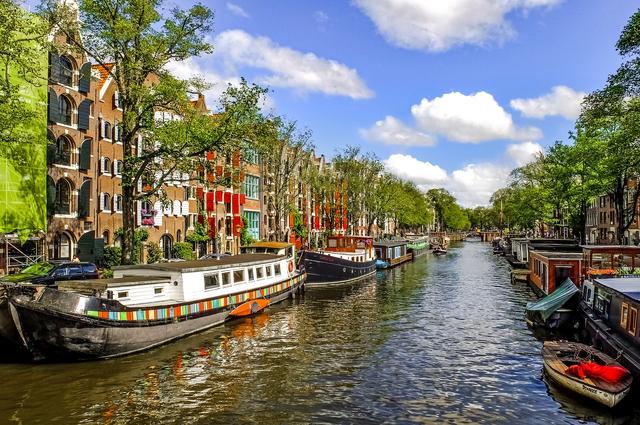
The Netherlands is set to introduce higher tourist taxes in 2026, joining France, Spain, Italy, and Belgium in a coordinated push to manage overtourism and fund sustainable urban development. Amsterdam, already one of Europe’s most visited cities, will see its overnight tax rise to over 12% of the room rate, while day-trippers will also face a new levy. The Dutch government emphasizes that the additional revenue will directly support green infrastructure, public transport upgrades, and the preservation of historic neighborhoods. For travelers, this means slightly higher hotel costs, but also a cleaner, less crowded, and more enjoyable experience in iconic spots like the Canal Ring, Rijksmuseum, and Vondelpark. The move aligns with similar initiatives in Paris, Barcelona, and Milan, creating a new normal for European city breaks.
Despite the tax hike, the Netherlands remains an incredible value for savvy travelers. The key is to plan ahead and explore beyond Amsterdam. Cities like Rotterdam, Utrecht, and The Hague offer world-class museums, cutting-edge architecture, and vibrant food scenes at significantly lower accommodation prices. Rotterdam, for instance, has a dynamic harbor and innovative dining, while Utrecht charms with its medieval canals and cozy cafes. By choosing these alternatives, you can avoid the steepest tax increases and enjoy a more authentic Dutch experience. Additionally, many smaller towns such as Haarlem, Delft, and Leiden are just a short train ride from Amsterdam and provide affordable stays with rich cultural heritage, including windmills, tulip fields, and historic churches.
The 2026 tax changes also encourage travelers to be more mindful of their travel footprint. The Netherlands is a compact, bike-friendly country with excellent rail connections, making it easy to reduce carbon emissions and save money. Consider using the OV-chipkaart for trains, trams, and buses, or rent a bicycle to explore cities like a local. Many hotels now offer discounts for guests who arrive by train or bike, and some municipalities are introducing “green stay” programs that reward eco-conscious choices. Sustainable tourism is not just a trend here—it’s a way of life. From farm-to-table restaurants in the countryside to eco-lodges in the Wadden Sea region, the Netherlands is leading the way in responsible travel, and the new taxes are part of that vision.
For those worried about the impact on their budget, the good news is that the Netherlands offers plenty of free or low-cost attractions. Most museums have discounted entry for students, seniors, and children, and many offer free admission on certain days or evenings. The I Amsterdam City Card provides access to over 70 museums, canal cruises, and public transport for a flat fee, helping you save significantly. Outdoor enthusiasts will love the country’s extensive network of walking and cycling trails, including the famous Keukenhof gardens (tulips in spring) and the Kinderdijk windmills. Street food markets, like the Albert Cuypmarkt in Amsterdam or the Markthal in Rotterdam, serve delicious and affordable local specialties such as stroopwafels, herring, and poffertjes. With a little planning, you can still enjoy a rich Dutch adventure without breaking the bank.
Practical tip: Book your accommodation early and consider staying in a nearby city like Haarlem or Utrecht, where tourist taxes are lower and charm is abundant. Use the OV-chipkaart for public transport and rent a bike to save money and experience the Netherlands like a local. Always check for free museum days and city discount cards before you go.