Netherlands 2026: New Tourist Rules & How to Enjoy Smart Travel
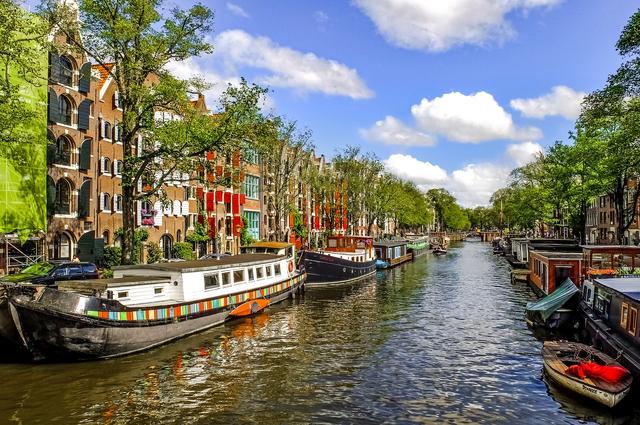
The Netherlands, long celebrated for its tulip fields, canal-ringed cities, and progressive spirit, is rolling out a suite of new measures in 2026 aimed at managing overtourism and preserving local life. Amsterdam, the nation's vibrant capital, will lead the charge with a 20% tourist tax on hotel stays — one of the highest in Europe — alongside new limits on short-term rentals and a controversial closure of the city’s sea cruise terminal. While these changes might sound daunting, they reflect a thoughtful shift toward sustainable travel that benefits both visitors and residents. For the savvy traveler, this means more authentic experiences, fewer crowds, and a chance to connect with Dutch culture in deeper, more meaningful ways.
Germany has now joined Mexico, Spain, the US, South Africa, Thailand, France, and other nations in responding to these barriers, creating a ripple effect across global tourism. The Dutch government has also implemented a strict behaviour code in Amsterdam, targeting noise, littering, and public intoxication, particularly in the Red Light District and around coffee shops. Short-stay rules now cap rentals at 30 nights per year in popular neighbourhoods, encouraging tourists to explore lesser-known gems like Utrecht, Haarlem, or the Wadden Islands. These policies aren’t about exclusion — they’re about recalibrating tourism so that everyone, from first-timers to return visitors, can enjoy a more balanced, respectful travel experience.
On the international stage, the Netherlands has joined a call to curb Russian tourist travel to Europe, citing geopolitical tensions and security concerns. This aligns with broader European efforts to standardize entry requirements, though it primarily affects a small segment of long-haul travellers. For most tourists from the Americas, Asia, and other European nations, entry remains straightforward with a valid Schengen visa or passport. The real opportunity lies in adapting your itinerary: instead of squeezing into Amsterdam’s crowded canals, consider a cycling tour through the Hoge Veluwe National Park, a weekend in Rotterdam’s cutting-edge architecture district, or a spring visit to the Keukenhof gardens before the peak season rush.
The cruise terminal closure in Amsterdam is perhaps the most symbolic change, signalling a move away from mass tourism and toward slower, more intentional travel. Cruise passengers will now dock at nearby ports like IJmuiden or Rotterdam, requiring a short train or bus ride into the city. This shift encourages travellers to spend more time on land, supporting local businesses and reducing environmental impact. Meanwhile, the 20% tourist tax — though steep — funds city maintenance, cultural events, and green initiatives. For budget-conscious visitors, staying in neighbouring towns or using the excellent Dutch rail network can offset costs while offering a quieter base to explore the Netherlands’ rich history, from Anne Frank’s House to the Rijksmuseum.
Practical tip: Book accommodations outside Amsterdam — like Leiden, Delft, or Amersfoort — to avoid the 20% tax and enjoy lower prices. Use the NS train app for seamless day trips into the capital, and always carry a reusable bag and water bottle to align with the country’s green behaviour codes.