Italy Travel 2026: Smart Tips to Avoid Tourist Mistakes and Enjoy a Seamless Trip
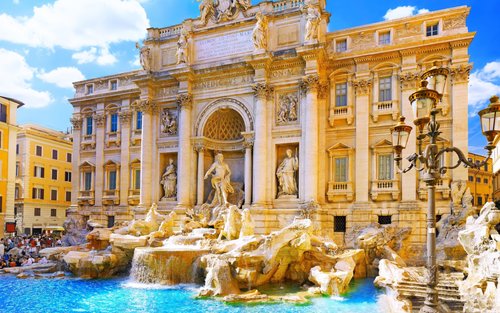
Italy remains one of the world's most beloved destinations, and 2026 promises to be another extraordinary year for travelers. However, as recent reports from the New York Post and Travel And Tour World highlight, throngs of tourists are already overrunning iconic hot spots like Rome's Trevi Fountain, Florence's Duomo, and Venice's canals during peak season. The key to a seamless trip lies in understanding the most common pitfalls before you go. From overcrowded attractions to unexpected cultural faux pas, being prepared can transform a stressful vacation into a truly magical journey. The good news is that with a little planning, you can sidestep these issues and experience Italy like a savvy insider.
One of the biggest mistakes tourists make is underestimating the need for advance reservations. In 2026, popular sites such as the Colosseum, Uffizi Gallery, and St. Peter's Basilica require bookings weeks or even months ahead, especially during summer. Without them, you risk spending hours in line or missing out entirely. Additionally, many travelers fail to check local holiday calendars—Italy has numerous national and regional festivals that can close museums or cause transportation delays. Planning your itinerary around these events can actually enhance your trip, as you might stumble upon a vibrant local celebration. Always book tickets online through official channels to avoid scams and secure your spot.
Another frequent misstep involves dining etiquette and water. A recent Italian court ruling confirmed that a hotel acted lawfully in refusing to give a tourist tap water, sparking debate. While tap water is generally safe to drink in Italy, some establishments, especially in tourist-heavy areas, may charge for bottled water or decline free refills. To avoid surprises, always carry a reusable water bottle and look for public fountains—known as 'fontanelle'—where you can refill for free. Also, remember that ordering a cappuccino after 11 a.m. or asking for Parmesan on seafood pasta is considered a faux pas. Embrace local customs: enjoy an espresso at the bar, and always ask for the 'coperto' (cover charge) before sitting down.
Navigating Italy's transportation system can also trip up unprepared travelers. Trains are efficient, but regional and high-speed services have different rules—validate your ticket before boarding regional trains or face a fine. In 2026, many cities are introducing pedestrian-only zones and limiting vehicle access to historic centers to combat overtourism. Renting a car might seem convenient, but parking and ZTL (limited traffic zones) can lead to hefty penalties. Instead, rely on trains, buses, and walking. For popular destinations like Cinque Terre or the Amalfi Coast, consider visiting in the shoulder seasons (April-May or September-October) to avoid the worst crowds. Always download offline maps and check for strike alerts, which are common but usually short-lived.
Practical tip: To beat the crowds in 2026, visit major attractions at opening time or during weekday afternoons, and consider lesser-known gems like Bologna, Lecce, or the less-visited islands of Sicily. Always carry a refillable water bottle for free public fountains, and book everything—from museum tickets to train seats—well in advance. This simple shift can save you hours and euros, leaving more time for spontaneous gelato stops and sunset views.