Italy Travel 2026: Tips to Avoid Tourist Traps and Embrace Authentic Experiences
Italy is experiencing a massive open-air travel revolution in 2026, with record numbers of tourists flocking to its sun-drenched beaches, rolling vineyards, and ancient heritage sites. From the Amalfi Coast to the hills of Tuscany, travelers are embracing the country’s unparalleled blend of natural beauty and cultural richness. However, this surge also brings challenges, including overcrowding and occasional overpricing. A recent incident where a US tourist was charged €44 for two ice creams in Rome has sparked global debate. While such cases are not the norm, they highlight the importance of staying informed and choosing wisely where to spend your money. The good news is that with a little preparation, you can still enjoy Italy’s magic without falling into common traps.
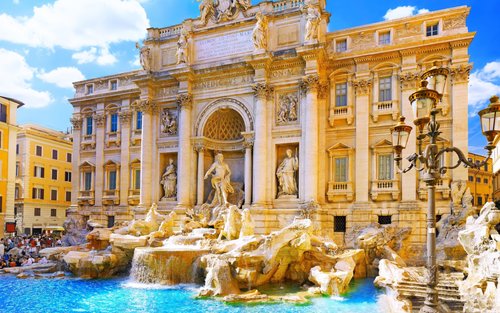
Rome remains a top destination, but savvy travelers know to avoid the most tourist-heavy spots near the Trevi Fountain and Spanish Steps when it comes to dining and shopping. Instead, venture into neighborhoods like Trastevere or Testaccio, where authentic trattorias serve gelato for a fair price—often around €3–€5 per scoop. The key is to look for places where locals queue, not those with flashy signs and multilingual menus. Street food markets, such as Mercato Centrale, offer excellent value and a vibrant atmosphere. And remember: in Italy, sitting down at a table with a view often comes with a service charge, so standing at the counter is both cheaper and more authentic.
Beyond the cities, Italy’s open-air attractions are drawing massive global interest. The country’s vineyards, particularly in Chianti and Piedmont, are hosting record numbers of visitors eager for wine tastings and agriturismo stays. Coastal regions like Puglia and Sicily offer stunning beaches without the crowds of the Amalfi Coast. To make the most of your trip, book popular activities in advance—especially during peak summer months. Many vineyards now require reservations for tours, and beach clubs along the Adriatic fill up quickly. Embrace the slower pace of Italian life: linger over a long lunch, take a passeggiata in the evening, and don’t try to cram too many sights into one day. This is the secret to a truly rewarding journey.
Fashion and comfort go hand in hand when packing for Italy. A travel writer from Rome recently warned about common summer outfit mistakes tourists make, such as wearing flip-flops in cities (a dead giveaway of a tourist) or overly casual gym wear. Instead, opt for breathable linen, comfortable walking shoes, and a stylish scarf for visiting churches. Italians dress well even in the heat, and your efforts will earn you respect and better service. A light jacket or shawl is also essential for evenings, as air conditioning can be fierce. Remember, blending in doesn’t mean sacrificing comfort—choose versatile pieces that can transition from a museum visit to a rooftop aperitivo without missing a beat.
Practical tip: When buying gelato, avoid shops with brightly colored, piled-high mounds; authentic gelato is stored in covered metal containers and comes in muted, natural shades. Always check the price list before ordering, and if a cone costs more than €5, walk away. For a truly local experience, ask your hotel concierge or a shopkeeper for their favorite gelateria—they’ll point you to hidden gems where quality and fairness reign.