Italy Travel 2026: Smart Tips for a Seamless and Memorable Trip
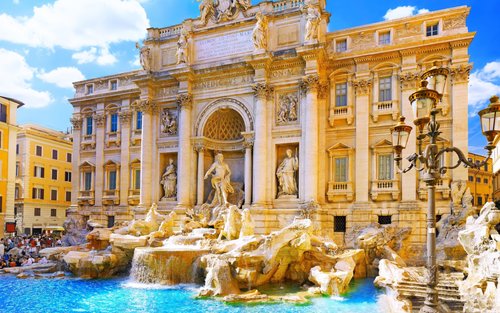
As Italy gears up for another bustling year in 2026, savvy travelers are already planning their escapes to the Bel Paese. Recent reports from tourism experts highlight the most common mistakes tourists make—from overpacking itineraries to skipping local customs—and offer practical solutions for a smoother journey. With iconic destinations like Rome, Florence, and Venice facing record crowds during peak season, understanding how to navigate these hotspots can transform your trip from chaotic to magical. The key is to embrace slow travel, book ahead for major attractions, and always carry a refillable water bottle, especially after a recent Italian court ruling confirmed that hotels can legally refuse tap water. This means being prepared with your own hydration is both eco-friendly and hassle-free.
Speaking of crowds, summer 2026 is expected to see throngs of tourists overrunning popular sites, as reported by major outlets. The Colosseum, Uffizi Gallery, and Cinque Terre trails are already seeing long queues and packed piazzas. But don't let that deter you—the secret is strategic timing. Visit major landmarks early in the morning or late afternoon, and consider lesser-known gems like Matera, Lecce, or the lesser-visited islands of the Aeolian archipelago. Many travelers also overlook Italy's regional festivals and local food markets, which offer authentic experiences far from the tourist trail. By diversifying your itinerary and embracing off-peak hours, you'll enjoy a richer, more relaxed journey while supporting local communities.
Another common pitfall is underestimating Italy's transportation nuances. High-speed trains connect major cities efficiently, but regional trains and buses require patience and a bit of local know-how. Always validate your ticket before boarding, and avoid traveling during strike days, which are often announced in advance. For those driving, remember that many city centers have ZTL (limited traffic zones) that incur hefty fines if entered without a permit. Renting a car is best reserved for exploring rural Tuscany, Umbria, or the Amalfi Coast, where public transport is less frequent. Meanwhile, walking is the best way to soak in the atmosphere—just wear comfortable shoes and stay aware of pickpockets in crowded areas, a minor but common annoyance that vigilance can easily prevent.
Dining in Italy is a ritual, not a rush, and tourists often make the mistake of eating near major attractions, where quality suffers and prices soar. Instead, venture a few blocks away to find trattorias frequented by locals. Remember that cappuccino is a morning drink, and asking for it after a meal might earn you a polite but firm correction. Tipping is not mandatory, but leaving a small amount for exceptional service is appreciated. The recent court ruling about tap water also underscores the importance of ordering bottled water or carrying your own—though many restaurants will happily provide a carafe if you ask. Embrace the Italian pace: linger over your meal, enjoy a digestivo, and don't be afraid to practice your Italian—even a simple 'buongiorno' goes a long way.
Practical tip: To avoid the biggest mistake—overplanning—leave at least one afternoon free each day for spontaneous discovery. Wander into a piazza, follow the sound of live music, or chat with a local shopkeeper. This flexibility often leads to the most memorable moments of any Italian journey.