Italy Travel 2026: Top Mistakes to Avoid and Smart Tips for Tourists
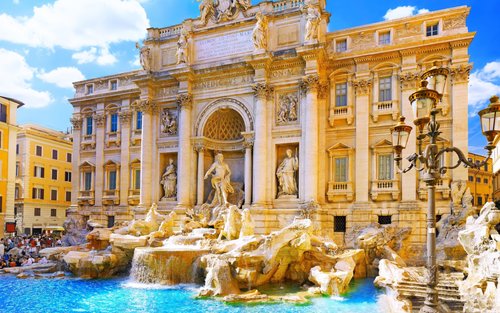
Planning a trip to Italy in 2026? You’re in for an unforgettable adventure, but even the most enthusiastic travelers can stumble into common pitfalls. Recent reports from seasoned visitors highlight five major regrets, from overpacking itineraries to skipping lesser-known regions like Puglia or Le Marche. Meanwhile, travel experts who’ve lived in Italy for two decades warn that rushing through historic sites—such as the Colosseum or Uffizi Gallery—without booking tickets in advance leads to long queues and disappointment. The key is balance: allow time for spontaneous discovery, like sipping an espresso in a quiet piazza or wandering a local market. With smart planning, your 2026 Italian journey can be seamless and deeply rewarding.
Another frequent misstep is underestimating the importance of local customs. Many tourists, especially first-timers, forget that Italy’s dress codes for churches are strictly enforced—no bare shoulders or shorts. Also, dining etiquette matters: ordering a cappuccino after 11 a.m. is a faux pas, and tipping is not expected but rounding up the bill is appreciated. The United Kingdom has recently aligned with Italy and other European destinations as short-haul city breaks surge, putting pressure on rail networks and popular spots like Venice and Florence. To avoid crowds, consider visiting in shoulder seasons (April-May or September-October) and exploring emerging destinations like Matera or Bologna, which offer authentic charm without the tourist crush.
Transportation is another area where travelers often trip up. Italy’s high-speed trains (Frecciarossa, Italo) are efficient, but failing to validate regional train tickets can result in fines. For 2026, the rail network will face additional pressure from increased demand, so book seats in advance for long-distance routes. Renting a car is ideal for rural areas like Tuscany or Sicily, but beware of ZTL (Limited Traffic Zones) in city centers—driving into them triggers hefty penalties. Instead, combine trains for city-to-city travel with local buses or bikes for exploration. Packing light is crucial, as cobblestone streets and narrow staircases in historic hotels make heavy luggage a burden. A small daypack lets you move freely and enjoy spontaneous stops.
Italy’s culinary scene is a highlight, but many tourists miss out by sticking to tourist-trap restaurants near major landmarks. Instead, venture a few blocks away to find trattorias where locals eat, often indicated by handwritten menus and busy lunch crowds. Another mistake is not embracing the Italian pace of life—meals are meant to be savored, not rushed. The recent Business Insider article notes that travelers regret not learning basic Italian phrases like “Buongiorno” or “Grazie,” which open doors to warmer interactions. Also, skip the bottled water at restaurants; tap water (acqua del rubinetto) is safe and free in most places. For 2026, consider food tours in Rome or a cooking class in Bologna to deepen your cultural connection.
Practical tip: Always carry a reusable water bottle; Italy has public water fountains (fontanelle) in cities where you can refill for free, saving money and reducing plastic waste. Finally, don’t overplan—leave room for serendipity, like stumbling upon a local festival or a hidden vineyard. By avoiding these common mistakes, your 2026 Italian adventure will be filled with authentic moments, delicious food, and lasting memories. Remember to pack comfortable walking shoes, a power bank for your phone (essential for maps and tickets), and an open mind. Italy rewards those who slow down and immerse themselves in its rhythms, from the rolling hills of Tuscany to the vibrant streets of Naples. Buon viaggio!