Italy Travel 2026: New Fees, Dress Codes, and Insider Tips
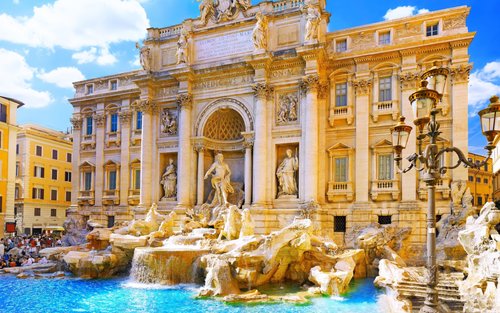
Planning a trip to Italy in 2026 promises timeless beauty, but recent news reveals important changes savvy travelers need to know. Venice has proposed a dynamic-entry fee system that could cost up to $59 per person on peak days, replacing the earlier €5 flat fee. Mayor Luigi Brugnaro argues this variable pricing—higher during busy weekends and events—will better manage overtourism and protect the fragile lagoon city. Meanwhile, a Business Insider article shares five regrets from a first-time visitor, including skipping smaller towns like Bologna or Lecce, not booking popular attractions in advance, and underestimating how much walking is required. These firsthand lessons remind us that even spontaneous travelers should research and plan key logistics to avoid missing Italy’s magic.
A heated debate has erupted over what to wear inside Italy’s sacred churches and basilicas, sparked by a tourist’s viral clothing hack. The traveler used a scarf to cover shorts and bare shoulders upon entering St. Peter’s Basilica, but critics argue that relying on a flimsy cover-up shows disrespect. Many cathedrals, including Florence’s Duomo and Milan’s Duomo, strictly enforce dress codes: knees and shoulders must be covered, and hats removed. This controversy highlights a broader cultural clash between modern travel style and centuries-old traditions. For a smooth visit, pack lightweight, modest layers like a linen shawl or long pants, and respect local customs—it’s a small effort that deepens your connection to Italy’s spiritual and artistic heritage.
Beyond fees and fashion, Italy’s regional diversity remains its greatest draw for 2026. While Venice and Rome dominate headlines, first-timers often regret neglecting lesser-known gems. Tuscany’s hill towns, Umbria’s green valleys, and Puglia’s trulli houses offer quieter, more authentic experiences. The Business Insider article specifically urges travelers to explore Italy by train—high-speed connections link major cities, while regional trains reveal hidden villages. Food lovers should also venture off the main tourist drag: a trattoria in Bologna serves better tagliatelle al ragù than any spot near the Trevi Fountain. By balancing iconic sights with off-the-beaten-path discoveries, you’ll return home with stories that go beyond selfies at the Colosseum.
Venice’s proposed fee hike is part of a broader trend across Italy to manage record-breaking tourism numbers. In 2025, the country welcomed over 65 million international visitors, and projections for 2026 are even higher. The dynamic fee—potentially $59 on peak days—would apply only to day-trippers, not overnight guests, who already pay a city tax. Critics worry it could deter budget travelers, but supporters argue it funds preservation and discourages overcrowding. Similar measures are being considered in Florence and Cinque Terre. For travelers, this means booking accommodations in advance and checking official municipal websites for fee updates. A little planning ensures you won’t be caught off guard by last-minute charges.
Practical tip: To avoid regrets in Italy, book major attractions like the Vatican Museums or Uffizi Gallery at least two months ahead, pack a versatile scarf for church visits, and always carry cash for small purchases. Venice’s dynamic fee will require checking the official portal before your day trip—register online to save time and money. Embrace slow travel by lingering over an espresso or taking a cooking class. Italy rewards those who respect its rhythms and traditions, turning a simple vacation into a lifelong memory.