Italy Travel 2026: Best Cities to Visit and How to Avoid Tourist Traps
Italy remains one of the world's most beloved travel destinations, but savvy travelers in 2026 are increasingly looking beyond the crowded, overpriced hotspots to discover the country's authentic charm. Recent rankings of Italian cities from best to worst, based on avoiding tourist traps, highlight hidden gems like Bologna, Lecce, and Trieste, where local culture thrives away from selfie sticks and souvenir shops. Meanwhile, perennial favorites like Venice, Florence, and Rome still dazzle but require careful planning to dodge the tourist-trap pitfalls. The key is balance: visit the icons early in the morning or off-season, then spend the rest of your time exploring lesser-known quarters where real Italians live, eat, and laugh.
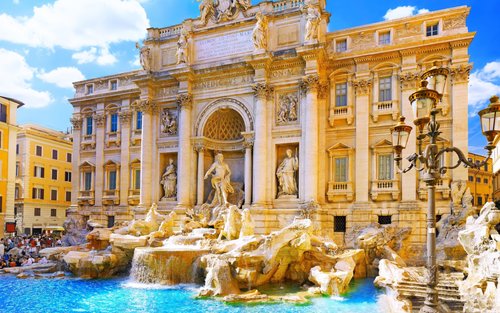
A recent viral story underscores the risks of falling into tourist traps: an American tourist was charged €44 for two ice creams in Rome, sparking outrage and a valuable lesson for visitors. The incident, reported by The Guardian and Wanted in Rome, happened near the Trevi Fountain, where vendors often inflate prices for unwary tourists. While the ice cream wasn't even good, as the tourist lamented, the price tag reflects a broader issue in high-traffic areas. To avoid such shocks, always check prices before ordering, ask for a receipt, and step just one street away from major landmarks—where quality and fairness often improve dramatically.
For 2026, the best Italian cities for an authentic experience include Bologna, known for its porticoes and food scene; Lecce, with its stunning Baroque architecture; and Trieste, a cultural crossroads with a unique Austro-Hungarian flair. These cities offer rich history, vibrant local life, and far fewer tourists than Rome or Venice. Even within popular cities, neighborhoods like Trastevere in Rome, the San Polo district in Venice, or the Oltrarno in Florence provide a more genuine atmosphere. The ranking from MSN emphasizes that the worst tourist traps are often around major monuments, so venturing even a few blocks can transform your experience.
Embracing local customs enhances any trip to Italy. Eating at trattorias where the menu is handwritten in Italian, avoiding restaurants with laminated photos, and seeking out markets like Mercato Centrale in Florence or Mercato di Rialto in Venice can lead to delicious, fairly priced meals. Also, consider traveling by train between cities—it's efficient, scenic, and reduces the stress of driving. In 2026, many Italian cities are implementing pedestrian zones and limiting cruise ship access to preserve their character, which benefits responsible tourists. Learning a few Italian phrases like 'Buongiorno' and 'Grazie' opens doors and hearts, making your journey more rewarding.
Practical tip: To avoid overpaying for food and drink, always check the price list before ordering, especially near major landmarks. If a menu has photos or a tout outside, walk away. For the best gelato, look for places where the flavors are hidden under metal lids and the pistachio is naturally green, not bright neon.