Italy 2026 Open-Air Revolution: Beaches, Vineyards & Ancient Sites
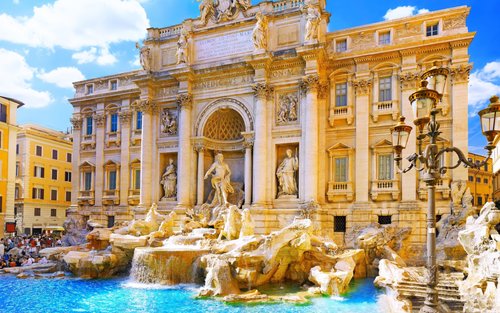
Italy is undergoing a remarkable transformation in 2026, as a surge in open-air travel reshapes the way tourists experience the country. With millions of visitors now bypassing congested urban hubs like Rome, Florence, and Venice, the spotlight has shifted to Italy’s breathtaking beaches, rolling vineyards, and ancient heritage sites that sprawl across the countryside. This revolution is not just about avoiding crowds—it’s a deliberate move toward sustainable, immersive travel that connects you directly with the landscape and local culture. From the sun-drenched Amalfi Coast to the vine-clad hills of Tuscany, travelers are discovering that Italy’s true magic lies in its open spaces, where history whispers through olive groves and the sea breeze carries stories of antiquity. The trend is backed by improved infrastructure, including scenic train routes and bike-friendly paths, making it easier than ever to explore these hidden gems without the stress of overcrowded attractions.
The open-air revolution is a direct response to the travel chaos that has plagued Italy’s most famous cities during peak seasons. Instead of queuing for hours at the Colosseum or navigating shoulder-to-shoulder crowds in St. Mark’s Square, savvy tourists in 2026 are heading to lesser-known coastal towns and vineyard estates that offer both tranquility and authenticity. Regions like Puglia, with its trulli houses and crystal-clear waters, and Sicily’s Valley of the Temples are seeing record numbers of visitors who crave meaningful encounters with history and nature. This shift has been fueled by a growing desire for wellness and slow travel, where spending a day hiking through the Cinque Terre or sipping Barolo among the Langhe hills becomes the highlight of the trip. Local communities are embracing this change, with family-run agriturismos and small-scale wineries welcoming guests with open arms, offering farm-to-table meals and guided tours that reveal the soul of Italy.
Italy’s ancient heritage sites are also being rediscovered through an open-air lens, with archaeological parks and outdoor museums gaining popularity over indoor attractions. The Appian Way, once a Roman superhighway, now invites cyclists and walkers to trace its ancient stones through the countryside, while the ruins of Pompeii and Herculaneum are enjoyed with fewer crowds thanks to timed-entry systems and extended hours. In the south, the Matera Sassi—a UNESCO World Heritage site carved into limestone—offers a stunning backdrop for open-air dining and stargazing, blending millennia of history with modern comforts. This approach not only reduces pressure on fragile indoor spaces but also allows you to absorb the grandeur of these sites in their natural context, under the Italian sun. For history buffs, it’s a chance to step back in time without the barriers of ticket booths and velvet ropes, making the past feel vividly alive.
The economic and environmental benefits of this open-air revolution are significant, with tourism revenues spreading more evenly across the country. Small towns that were once bypassed are now thriving, as travelers seek out authentic experiences like truffle hunting in Umbria or sailing the Aeolian Islands. The Italian government has supported this shift by investing in eco-friendly transport options, such as electric shuttle buses to remote beaches and solar-powered visitor centers at archaeological parks. Meanwhile, vineyard tourism has become a cornerstone of the movement, with regions like Chianti and Montepulciano offering wine-tasting tours that double as lessons in sustainable agriculture. This positive trend is also easing the strain on popular landmarks, as visitors voluntarily choose to explore beyond the typical tourist trail. For you, the traveler, it means a richer, more relaxed journey where every moment feels like a discovery, from a sunrise yoga session on a Sicilian cliffside to a sunset picnic among the ruins of a Roman villa.
Practical tip: To fully embrace Italy’s open-air revolution, book your accommodations at agriturismos or coastal guesthouses well in advance for summer 2026, and consider renting a bike or e-scooter to explore countryside routes. Pack lightweight layers for cool coastal evenings and sturdy shoes for vineyard trails—remember, the best experiences often lie beyond the main roads.