Italy 2026: Smart Travel Tips Amid Rome’s €44 Ice Cream Scandal
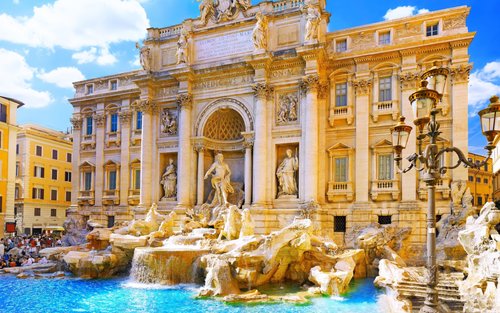
Italy’s 2026 summer season is in full swing, and while the sun-drenched piazzas and ancient wonders remain as enchanting as ever, a recent viral story has reminded travelers to keep their wits—and wallets—about them. A US tourist in Rome was charged €44 for two ice creams, sparking global headlines and a wave of cautionary tales. The Guardian and Wanted in Rome both reported the incident, which occurred near the Trevi Fountain, where a simple cone of pistachio gelato came with a shocking price tag. But don’t let this sour your dolce vita: with a little savvy, you can still enjoy Italy’s legendary gelato without the financial sting. The key is knowing where—and where not—to indulge.
The €44 gelato incident is a classic example of Italy’s tourist-trap economy, where prices can skyrocket in high-traffic areas like Piazza Navona, the Spanish Steps, and the Colosseum. As the New York Post reports, throngs of tourists are overrunning Italian hot spots this year, and vendors in these zones often charge premium rates for convenience. The good news? Italy’s true gelato artisans—often tucked away on side streets or in residential neighborhoods—offer superior quality at fair prices. Look for shops with natural colors (avoid bright neon greens and blues), wooden lids on display, and a steady stream of local customers. A proper cone should cost €2–€5, even in major cities.
Beyond gelato, the 2026 travel surge means you’ll need to plan ahead to avoid crowds and overpaying. Book popular attractions like the Uffizi Gallery, Vatican Museums, and Pompeii weeks in advance—same-day tickets often sell out or come with steep markups from resellers. Consider visiting iconic sites early in the morning or late in the afternoon, when tour groups thin out. And when it comes to dining, steer clear of restaurants with aggressive touts or menus in multiple languages; these are often designed for tourists and may include hidden service charges. Instead, seek out trattorias where the menu is handwritten and the clientele speaks Italian.
Italy’s charm lies not just in its monuments but in its everyday rhythms—a morning espresso at a local bar, a stroll through a market, or an aperitivo in a quiet piazza. To experience this authentically, venture beyond the big three: Rome, Florence, and Venice. Cities like Bologna, Palermo, and Lecce offer extraordinary food, history, and culture with far fewer crowds and lower prices. In smaller towns such as Matera or Orvieto, you’ll find that a gelato costs €2 and comes with a genuine smile. The €44 ice cream story is a useful caution, but it shouldn’t overshadow the fact that Italy remains one of the world’s most rewarding destinations—if you travel with intention.
Practical tip: When buying gelato in Italy, always check the price list displayed near the counter before ordering. Avoid shops that charge by weight or have no visible menu; instead, choose places where cones are priced per scoop (€2–€4). Carry small bills and coins to avoid confusion, and never accept a cone without confirming the total cost first. This simple habit will keep your gelato experience sweet—and your wallet happy.